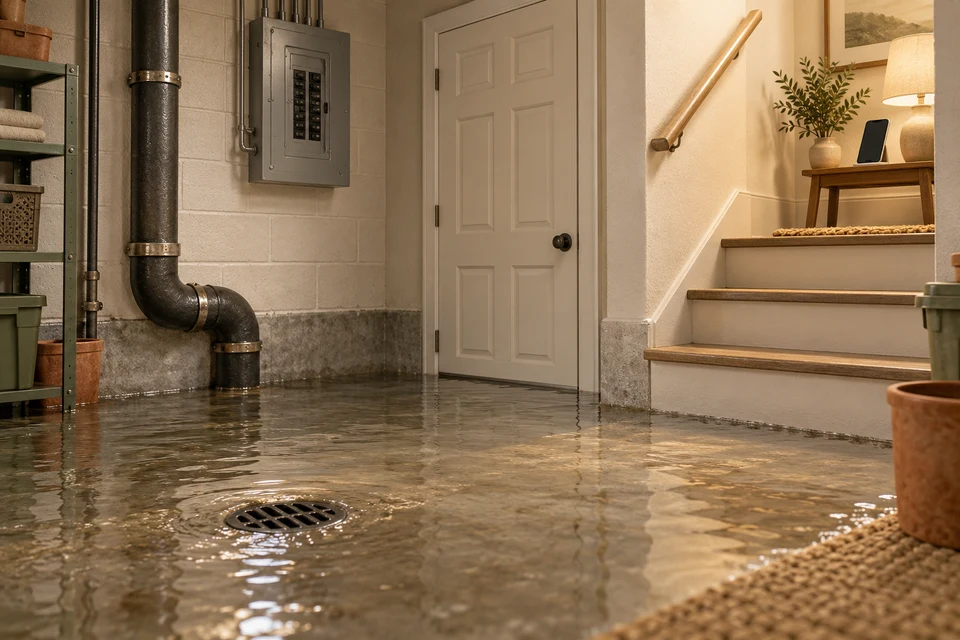
If sewage is backing up, stop using water, keep people and pets away, stay clear of wet electrical equipment, and call your municipality if the public side may be blocked: in Calgary that is 311. Then call a drain provider and your insurer. SewerReplacements.ca takes urgent intake requests, but it does not dispatch crews and cannot promise an arrival time.
- Safety first: sewage carries germs, sewer gas can contain hydrogen sulphide, and water near outlets or panels is an electrical hazard.
- Each Alberta municipality has its own first call; Calgary's crews run a steel snake to the main to find out whether the blockage is private or public.
- Insurance covers sewer backup damage only if the policy includes optional sewer backup coverage, so call your insurer early.
- Photograph everything before cleanup and keep every invoice; Airdrie requires claims against the City within 30 days.
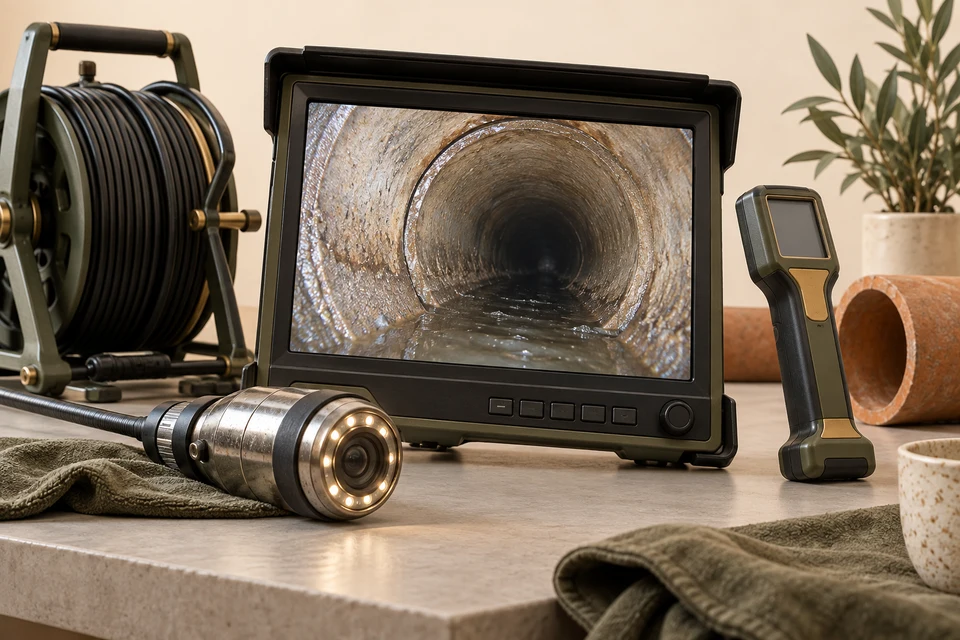
- Once the line is cleared, a camera run turns the emergency into evidence for a repair or replacement decision.
01 /How does an urgent sewer request work here?
Share the condition clearly, and understand what the request does. SewerReplacements.ca is part of HAUSE, an independent information and service-request network. It is not a plumbing contractor and does not send crews. An urgent request passes your details on for review; availability and next steps depend on your location, the problem and provider capacity.
The contact details printed on this site reach the HAUSE intake desk. Use them when you want your situation reviewed and routed; do not wait on them when water is rising.
02 /How do you protect people and property during a sewer backup?
Stop the flow, keep people out and deal with hazards in that order. A backup is a contamination event, and most injuries come from what people do in the first hour.
- Stop using water everywhere in the building. Every flush, shower or dishwasher cycle adds to the water coming up the lowest drain. In a multi-unit building, tell the neighbours upstream.
- Keep children, pets and anyone with a weak immune system away. Sewage carries bacteria and viruses. Wear rubber boots and gloves if you must go near it, and wash thoroughly afterwards.
- Stay out of water near electricity. Do not walk through water that may be touching outlets, extension cords, a furnace or the electrical panel. If you cannot reach the panel safely, call the electrical utility or an electrician.
- Treat strong sewer odours as a warning. Sewer gas can contain hydrogen sulphide, which smells of rotten eggs at low levels and can dull your sense of smell at higher ones. Ventilate if safe, leave if the smell is strong or anyone feels unwell, and avoid flames and sparks.
- Do not use chemical drain cleaners on a backed-up line, and never mix products. They can splash back and make the job dangerous for whoever opens the line.
- Do not open a cleanout under pressure. A surcharged line can push sewage out of an opened cleanout.
Cleanup after sewage is its own job, with its own safety rules. SewageCleanup.ca covers what to discard, disinfecting and drying.
03 /Which signs need prompt attention, and what should you do?
Four signs warrant safe first steps and timely review. None of them identifies the cause by itself.
| Sign | Why it matters | What to do first |
|---|---|---|
| Sewage backup | Wastewater in toilets, sinks, tubs or floor drains is an exposure hazard | Stop water use, avoid contact, call the municipality and a local drain provider |
| Several clogged drains at once | The shared drainage path, not one fixture, is probably involved | Stop unnecessary water use and get it assessed before using fixtures again |
| Strong sewage odours | Drainage or venting faults can release sewer gas | Move away from strong odours, avoid ignition sources, ventilate if safe |
| Wet or foul-smelling patch in the yard | May indicate a broken sewer line | Keep children and pets away, avoid contact, have the source assessed |
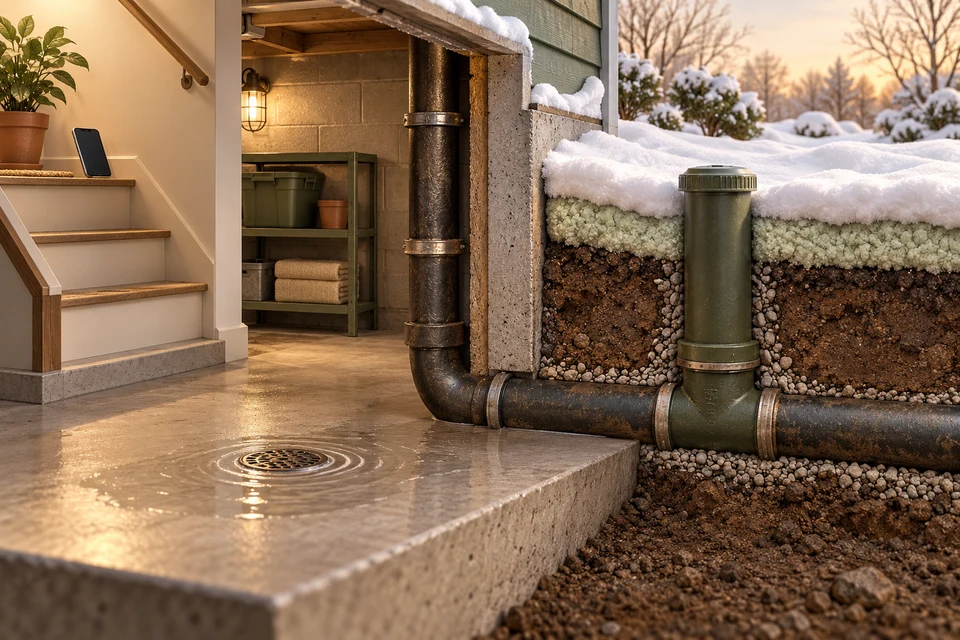
In winter, a frozen or ice-blocked lateral can look like any other backup. The winter sewer emergencies guide covers the cold-weather version, and the warning signs guide covers the slower signs that come before most emergencies.
04 /Who should you call first in each Alberta city?
Call the municipality first when the public side might be blocked, and a drain provider when the problem is clearly inside the property. As checked September 2026:
| Municipality | First call | What the city says it does |
|---|---|---|
| Calgary | 311 | A crew runs a steel snake to the sewer main to find whether the blockage is on private or public property; if private, you are advised to call a plumber. The customer has to find and uncover any hidden cleanout. |
| Edmonton | EPCOR | EPCOR offers a basic service to help diagnose drainage problems. It will not reimburse plumber's fees wherever the blockage is, and charges a fee if prohibited waste caused it. |
| St. Albert | City Utilities, 780-459-1500 (8 a.m. to 5 p.m. weekdays) | Utilities operators assess reported backups. City cleaning or camera help needs a 4-inch cleanout inside the home. |
| Medicine Hat | 403-529-8176 | The owner maintains the lateral to the property line; since April 1, 2020, a fee applies for City crews to clear blockages on private property. |
| Airdrie | Your plumber, then your insurer | The owner is responsible for the private section; most backups come from a plugged line. Claims against the City must be reported within 30 days (Insurance and Risk Management, 403.948.8831). |
| Okotoks | The Town | Under Bylaw 25-21 the owner keeps the connection clear to the main, unless corrosion, deterioration or frost damage on the property-line-to-main portion caused it. Owners must notify the Town before cleaning a private line. |
| Red Deer and Lethbridge | Confirm with the City (Lethbridge: 311) | The pages checked do not describe a backup response process. Ask the City before paying for work near the property line. |
The Alberta City Sewer Rules Finder gives each city's ownership split and source link, and the cities overview has more local detail.
05 /When should you call your insurer?
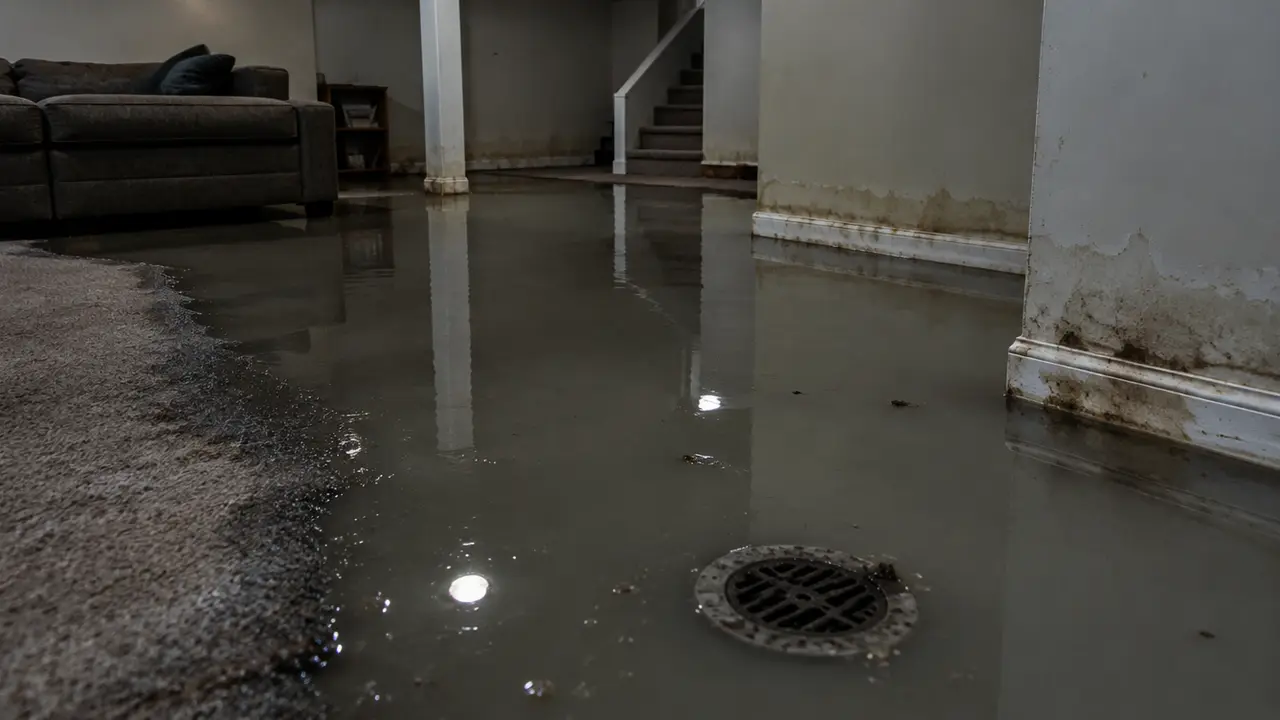
Call as soon as people are safe, and before you throw anything away. The Insurance Bureau of Canada explains that basement water damage from a sewer backup is covered only if you bought optional sewer backup coverage, and that protection for groundwater and seepage is typically not part of a standard policy. Whether a policy pays for the broken pipe itself depends on the policy; ask your insurer directly.
- Ask whether your policy has sewer backup coverage and what the limit and deductible are.
- Ask whether the insurer wants to send an adjuster or restoration company before cleanup starts.
- Ask whether the cost of finding the cause, such as a camera inspection, is covered.
- If you think a municipal line caused the backup, ask the city about its claims process. Airdrie's deadline is 30 days from the loss.
The insurance and paying guide covers municipal claims and paying for a replacement later.
06 /How should you document a backup for a claim?
Record the scene before it changes, from a safe place. Adjusters and cities both work from evidence, and it is gone once cleanup starts.
- Photograph and video the water, the drains it came from, the high-water line on walls and every damaged item, with a wide shot of each room.
- Write down when it started, which fixtures were affected, and whether it rained or thawed that day.
- Keep the invoice and any notes or video from whoever clears the line, including where the blockage was found and how far out.
- Keep a list of discarded items, with photos, before they leave the property.
- Save every receipt for cleanup, drying, rentals and temporary accommodation.
07 /What details make an urgent request useful?
A short, precise request gets routed faster. Include:
- The property address and the best callback number.
- Whether sewage is actively backing up or overflowing right now.
- Which fixtures are affected, and whether water use has stopped.
- Where the cleanout is, if known, plus any recent work or camera findings.
While you wait for contact:
- Stop or limit water use when it is safe to do so.
- Keep people and pets away from wastewater.
- Do not mix drain chemicals or enter a contaminated area.
- Photograph visible conditions from a safe location.
Send the details through the request form and choose the urgent option.
08 /How does an urgent backup turn into a replacement decision?
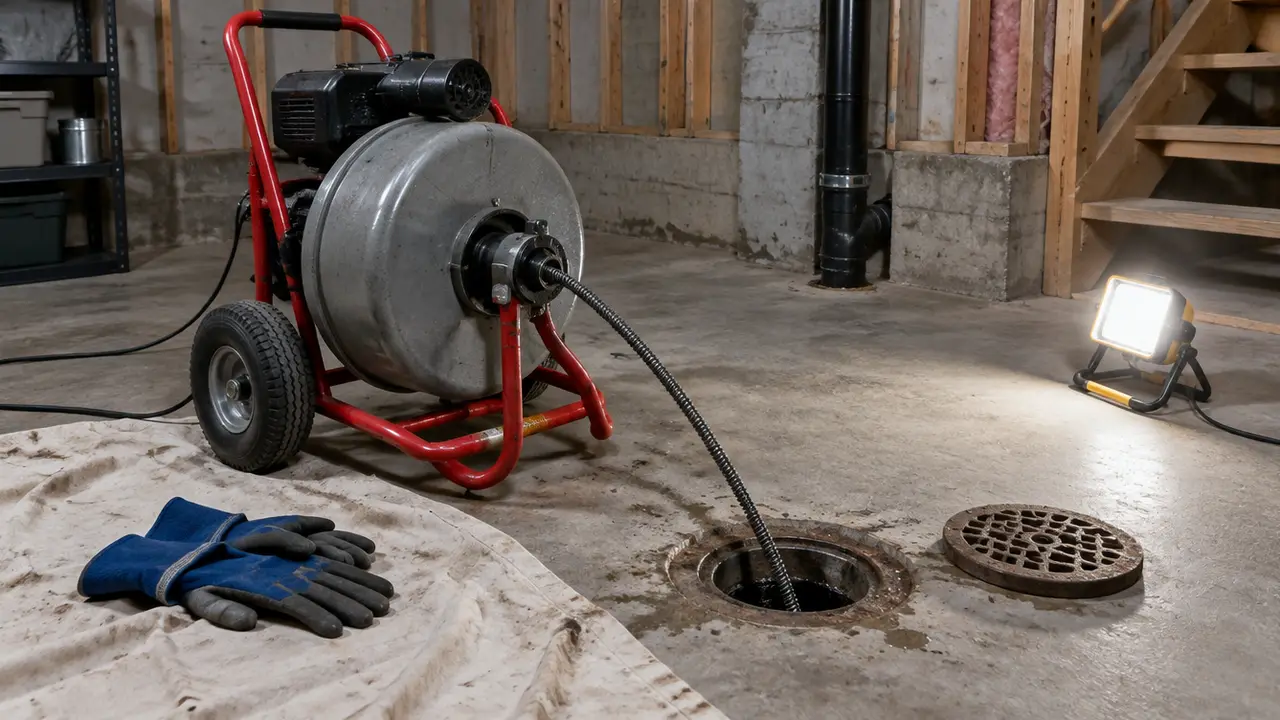
Through a camera run after the line is cleared. Clearing restores flow; it does not explain why the line blocked. Once the drain is running, ask for a recorded camera inspection from the same cleanout, with distances and a surface locate of anything found.
One grease plug or a single root joint may need nothing more than cleaning and better habits. A sag, a collapse or repeated open joints point to repair or replacement. The camera evidence page explains what a usable recording contains, the Replacement Readiness Check shows what is missing, and the methods hub compares the options. If the line is open anyway, adding a backwater valve is worth pricing.
FAQQuestions people ask
Does SewerReplacements.ca send a crew to an Alberta sewer backup?
No. HAUSE is an information and service-request network, not a contractor. An urgent request is reviewed and routed, but no dispatch or arrival time is promised. Call your municipality and a local drain provider directly while you wait.
Should I call 311 or a plumber first for a sewage backup in Calgary?
Call 311 if the public side might be involved. A City crew runs a steel snake to the sewer main to tell whether the blockage is on private or public property; if it is private, you are advised to call a plumber. Expose any hidden cleanout first.
Will EPCOR pay my plumber if the blockage turns out to be on its side in Edmonton?
As checked September 2026, EPCOR says it will not reimburse plumber's fees regardless of where the blockage is. It offers a basic service to help diagnose drainage problems, so contacting EPCOR before hiring a plumber can save money.
What deadline applies if I think Airdrie's sewer main caused my basement backup?
Airdrie says claims against the City must be reported within 30 days of the loss, through Insurance and Risk Management at 403.948.8831. Notify your own insurer as well; the owner is responsible for the private section of the line.
Does Alberta home insurance cover damage from a sewer backup?
Only if the policy includes optional sewer backup coverage, according to the Insurance Bureau of Canada. Groundwater or seepage protection is usually not standard either. Whether the pipe repair is covered depends on the policy, so ask your insurer.
Is sewer gas in an Alberta basement after a backup dangerous?
It can be. Sewer gas may contain hydrogen sulphide and other gases. Ventilate if it is safe, avoid flames and sparks, and leave if the smell is strong or anyone feels dizzy or unwell. Call for help from outside.
NETWORKGo deeper across the HAUSE Sewer network
Is sewer backup dangerous? Health risks, what it smells like and what it looks like
Is sewer backup dangerous? How sewage can make you sick, what sewer backup smells and looks like, when the smell is harmful, and who should stay away.
SewerInspector.caInspecting the sewer after a backup: finding out why it happened
Why a sewer camera inspection after a backup matters: private vs municipal causes, timing, what to record for insurance, and how to stop it happening again.
SewerQuotes.comSewer backup insurance: what your home policy does and does not pay
Sewer backup insurance in Canada: sewer backup vs overland water endorsements, exclusions, deductibles, and why pipe repair is rarely covered.