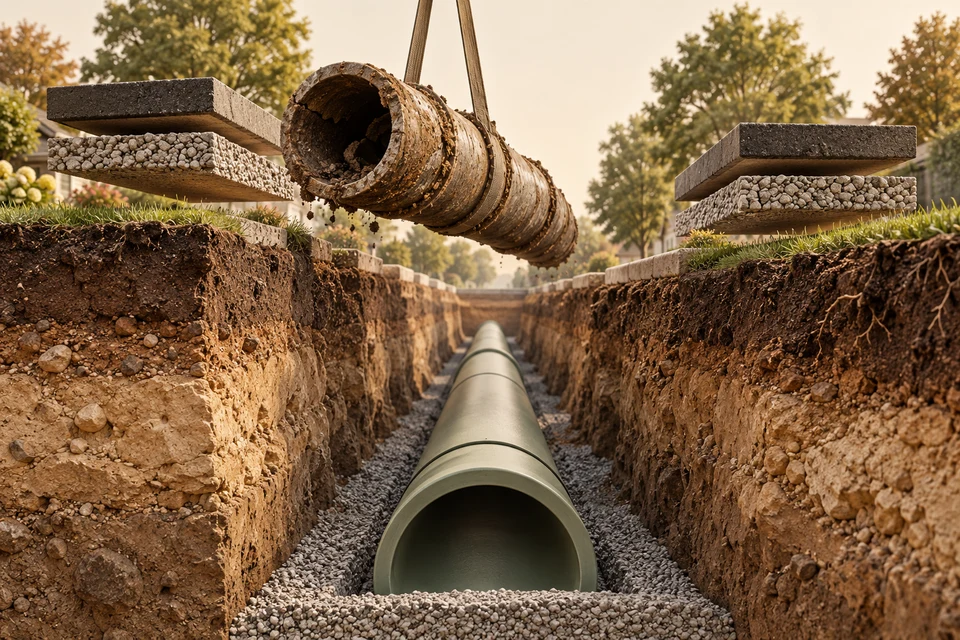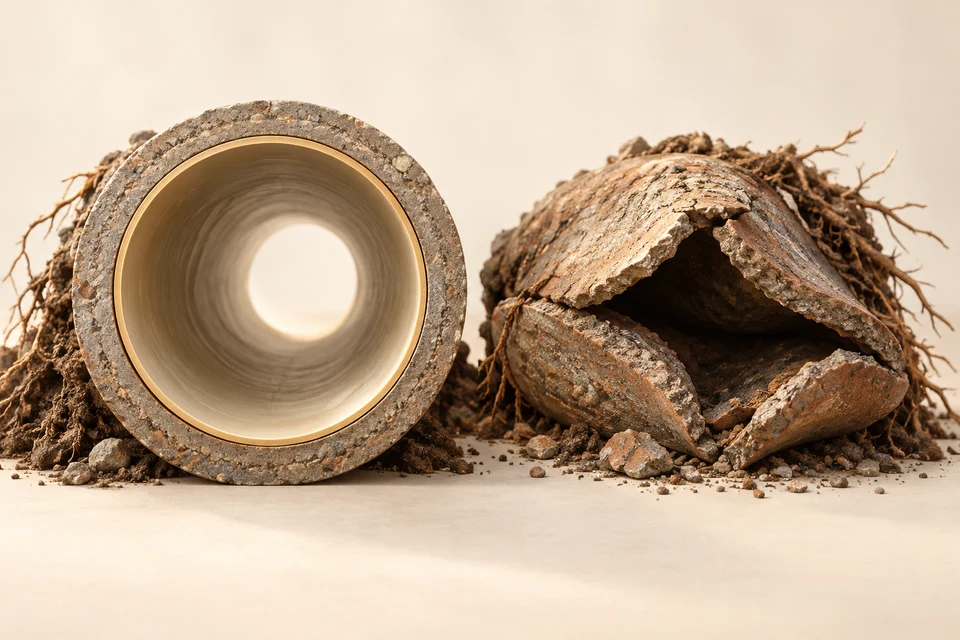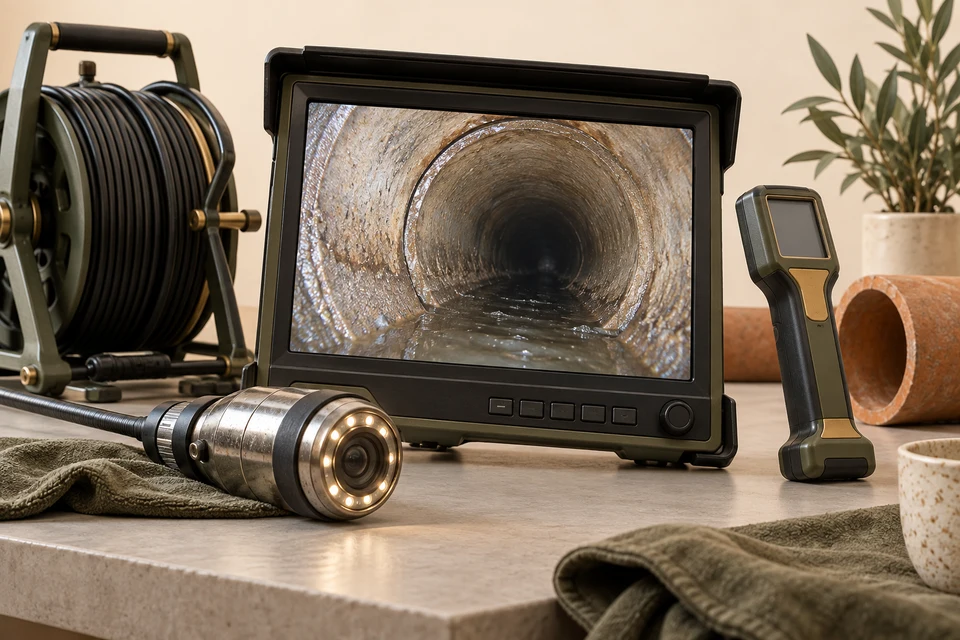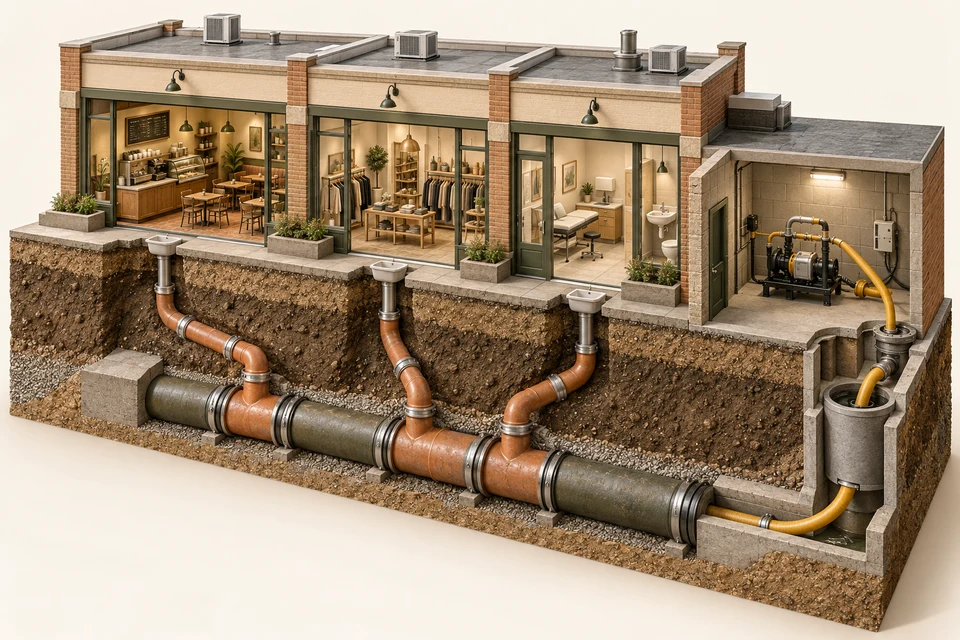
The right sewer replacement method follows the camera evidence, not the symptom. A sag or collapse usually means digging at least that section; sound pipe with cracks, joint gaps or root entry may suit a liner; badly broken pipe on a straight route may suit bursting. Commercial and multi-unit lines add shutdown, tenant and permit planning. Document the line first, then compare, define and verify.
- A blockage is not a diagnosis: clear the line, record it on camera, and only then compare repair, lining, bursting and open-cut replacement.
- Grade defects and collapses decide more method choices than cracks do, because a liner follows the old pipe exactly as it lies.
- Every Alberta municipality on this site has its own permit or approval body, so the same method can have a different paperwork path in each city.
- A useful scope names the method, the length, the access points, the permit holder, the restoration and the post-work video in writing.
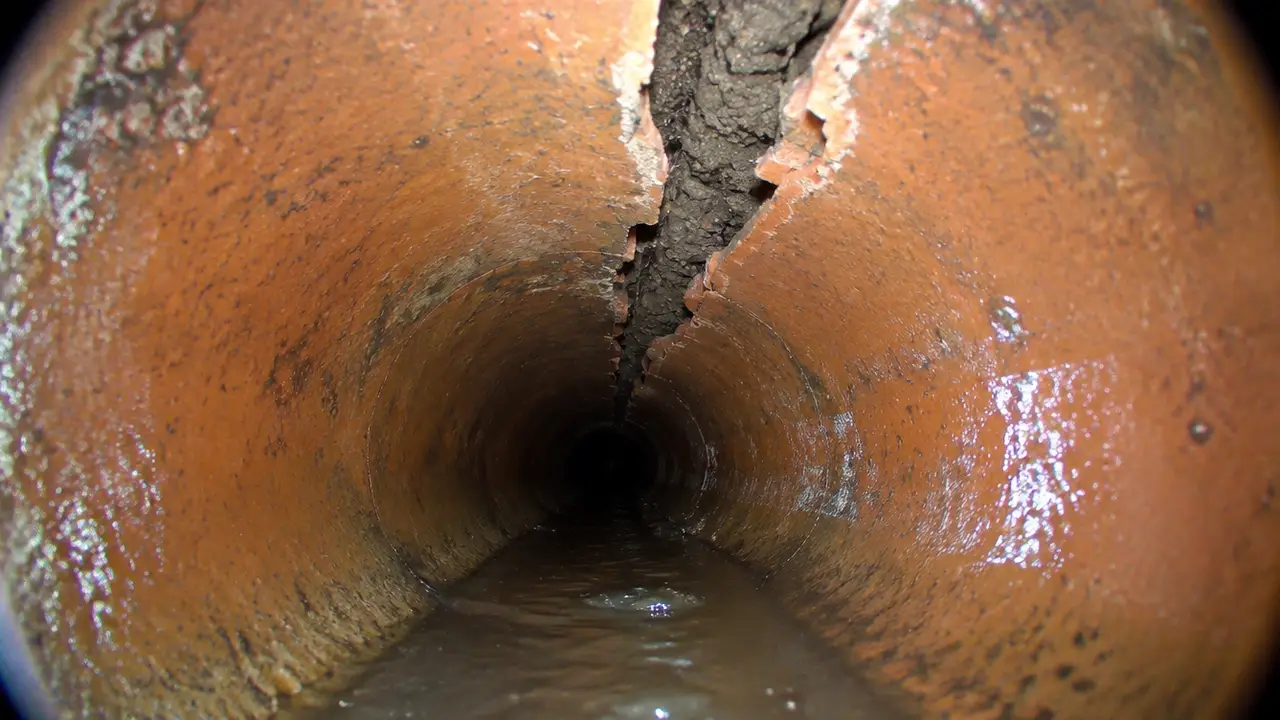
01 /What are the four sewer project paths on this site?
SewerReplacements.ca groups existing-lateral decisions into four paths: open-cut replacement, trenchless lining, camera inspection and commercial projects. Three are ways of fixing or renewing a pipe; one, the camera record, is the evidence every other path depends on. None of them is the default answer. A recurring backup can be a grease plug that a cleaning visit removes, a single offset joint that a short liner bridges, or a flattened section that has to be dug up.
| Path | Starts when | What it can do | What it cannot do |
|---|---|---|---|
| Sewer camera evidence | Any recurring backup, a failed cleaning, a purchase, or a quote you want to check | Show material, defects, distances and the limits of what was seen | Prove a method on its own; see past standing water or a collapse |
| Open-cut replacement | Collapse, sag, severe offset, wrong material or an inaccessible defect | Replace pipe, regrade the trench and rebuild connections in the open | Avoid surface disturbance along the dug length |
| Trenchless lining | Host pipe is continuous and on grade, with cracks, joint gaps or root entry | Seal a section or the full run from inside with little digging | Fix a belly, a crushed section or missing pipe |
| Commercial review | Restaurants, retail, offices, condos, rentals and managed buildings | Plan shutdowns, tenant notice, phasing and shared-service ownership | Borrow residential prices or timelines |
Spot repair and pipe bursting sit alongside these paths. They are covered below because they are often the right answer for a lateral that is neither sound enough to line nor bad enough to open from end to end.
02 /How does the Document, Compare, Define, Verify sequence work?
The sequence moves a property from a symptom to a written, checkable scope in four steps, and each step produces something you keep. The contractor and the municipality set the final process for each property, but the order rarely changes.
- Document
Record the accessible line on continuous video with a distance counter, locate the worst findings at the surface, and note the pipe material and anything the camera could not see. Write down the repair history and what sits on top of the line.
- Compare
Set cleaning, spot repair, sectional or full-length lining, bursting and open-cut replacement against the findings. Rule a method out for a stated reason, such as a sag the liner would copy.
- Define
Put the chosen method in writing with its length, access points, utilities, permit holder, pipe material, restoration, exclusions and the post-work video.
- Verify
Book the municipal inspections the permit requires, test where the scope says so, and keep a final camera run from the same access point as the first one.
The Replacement Readiness Check scores how much of the Document step you already have, from 0 to 5, and lists the gaps to fill before anyone prices a replacement. It gives a direction, not a price.
03 /Which pipe conditions point to which method?
The defect type and how far it runs decide the method more than the pipe's age does. EPCOR, which runs Edmonton's drainage utility, puts three of these rules plainly on its sewer line page (as checked September 2026): a sag can only be fixed by removing the affected pipe and regrading the trench bottom; small cracks may be tolerated if they are not wide enough to let backfill into the pipe; and replacing a collapsed portion is the only viable option.
| Camera finding | Usual direction | Why |
|---|---|---|
| Roots through one joint, pipe round and on grade | Clean, then monitor or spot repair or a short liner | The opening is local; the pipe around it still carries flow |
| Hairline cracks with no soil showing | Monitor or line if they are spreading | EPCOR notes small cracks may be tolerated if backfill cannot enter |
| Several offset or open joints along the run | Full-length lining or replacement review | Repeated defects make patching uneconomic |
| Belly holding water | Dig and regrade at least the sag | A liner follows the low spot and keeps it |
| Collapse or missing pipe | Replace at least the collapsed section | There is no host pipe to line |
| Brittle pipe broken along most of the run, straight route | Pipe bursting or open-cut review | Bursting replaces rather than reuses the old pipe |
| Orangeburg or badly deformed pipe | Replacement review | Deformed pipe gives a liner no stable shape to cure against |
A single finding rarely settles it. A lateral can have a root joint near the house, a sag under the lawn and sound pipe at the property line, which may mean a short excavation and a liner on the same visit. The open-cut vs trenchless comparison walks through mixed cases.
04 /Where do spot repair and pipe bursting fit?
Spot repair fixes one defect; pipe bursting replaces a whole run without a trench. Both are real options for Alberta laterals and both are often missing from a first quote.
- Excavated spot repair opens a single pit over a located defect, cuts out the bad length and couples in new pipe. It suits one collapse, one belly or one root joint on otherwise sound pipe. The camera locate has to be accurate, because the pit goes where the sonde says.
- Sectional (point) liner repairs a short length from inside, usually through the cleanout. It suits a crack or open joint where the pipe is round and on grade.
- Pipe bursting pulls a cone-shaped head through the old pipe from a launch pit to a receiving pit, breaking it outward and pulling new pipe, usually fused HDPE, in behind. It follows the old route and grade, needs a pit at each end, and suits brittle pipe that is too broken to line. PipeBursting.ca covers the method in depth.
Repair-scale trenchless work, including sectional liners and connection seals, is the lane of TrenchlessSewerRepair.ca. The decision here is narrower: whether a repair buys enough life to be worth doing before a full renewal.
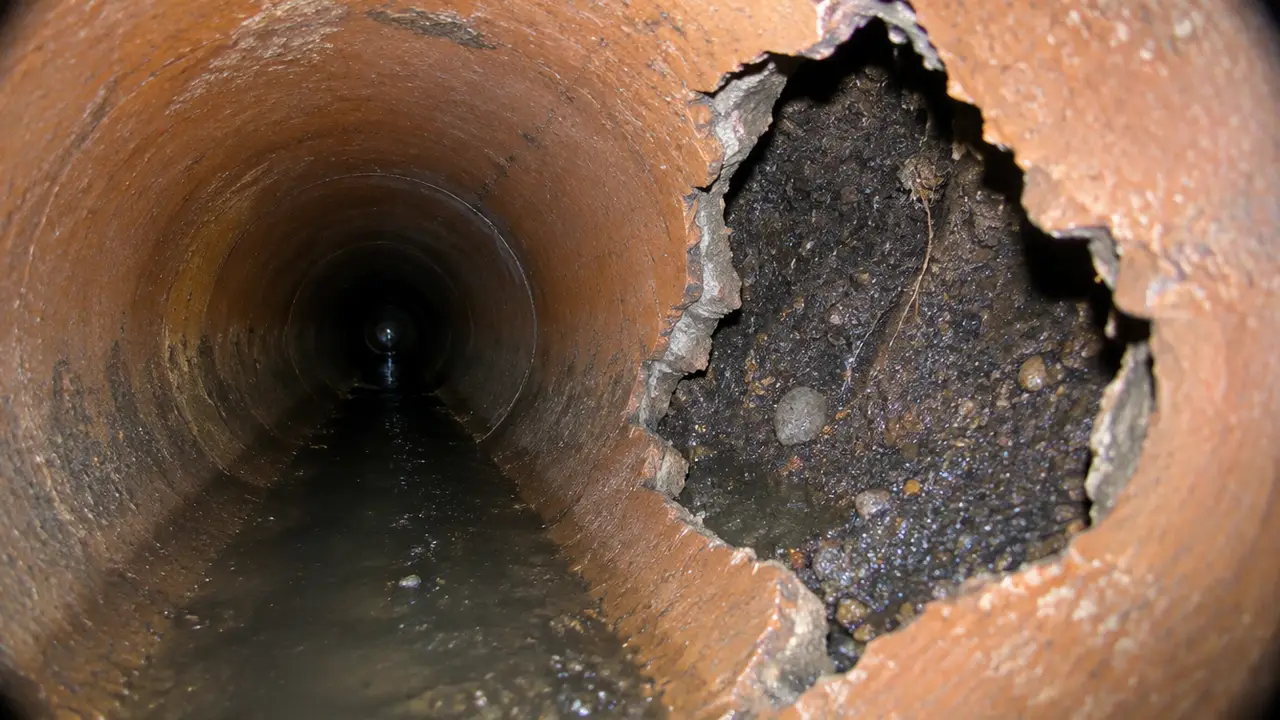
05 /How do the methods compare side by side?
Each method trades surface disturbance against what it can correct. The ranges below are the typical quoted ranges used across this site for a 15 to 25 m residential run; the pricing page breaks them into line items.
| Method | Surface disturbance | Corrects a sag? | Needs sound host pipe? | Typical quoted range |
|---|---|---|---|---|
| Excavated spot repair | One pit | Yes, within the pit | Yes, outside the pit | $3,500–$16,000 |
| Sectional (point) liner | Usually none | No | Yes | $2,500–$6,500 first section |
| Full-length CIPP lining | Cleanout plus perhaps one access pit | No | Yes, continuous and on grade | $9,000–$28,000 |
| Pipe bursting | Launch and receiving pits | No, follows old grade | No, but a cable must pass | $10,000–$30,000 |
| Open-cut replacement | The full trench length | Yes | No | $12,000–$35,000+ |
Price per metre only compares like with like. A lined run that later needs a sag dug out has cost more than an open-cut job that fixed everything once, so compare methods against the full defect list, not the headline number.
06 /Does the city change the method or only the paperwork?
Mostly the paperwork, sometimes the scope. As checked September 2026, the municipalities on this site route sewer service work through different bodies:
- Calgary: a plumbing permit is required when water and sewer lines in or around the home are replaced; a homeowner permit is only for owner-occupiers doing the work themselves, otherwise the contractor applies.
- Edmonton: the City requires a plumbing permit under the Safety Codes Act to install or alter plumbing including drains; EPCOR owns the pipe from the property line to the main.
- Red Deer: anyone removing or installing a sanitary service on a lot applies to and is approved by Engineering Services under Utility Bylaw 3606/2018.
- Okotoks: Bylaw 25-21 requires the written approval of the CAO to make, alter or remove a connection to the wastewater system.
- Lethbridge: a permit is needed to replace sewer connections, obtained by a licensed plumbing contractor or a competent resident homeowner.
- Airdrie: an accessory permit covers plumbing separate from original construction; confirm the exact permit with Building Inspections.
Where the public side begins also changes who pays for which metres. The Alberta City Sewer Rules Finder returns each city's published split and permit body, and the cities overview adds Medicine Hat and St. Albert.
07 /What should you gather before asking for prices?
Gather the video, the locate marks and the ownership boundary before any contractor prices a method. With those three in hand, quotes describe the same pipe and can be compared line by line.
- The full recorded camera run with distances from a named access point, not stills.
- Surface marks for the worst findings, measured from the foundation, and an estimated depth.
- Confirmation of where the private side ends, from the city or utility.
- A note of what sits over the line: lawn, trees, driveway, deck, garage or a finished basement.
- Any past repairs, liners or cleaning visits, with dates.
When that file is ready, send it through the request form for a scope review. If sewage is backing up right now, start with the urgent first steps instead.
FAQQuestions people ask
Do Alberta cities prefer trenchless lining over open-cut sewer replacement?
None of the municipal pages checked in September 2026 tells homeowners which method to use. The permit or approval body cares that the work meets code and is inspected; the method follows the pipe's condition, depth and access.
Can one Alberta sewer project mix open cut and lining on the same lateral?
Yes. A common mixed scope digs out a sag or collapse and lines the sound remainder. Ask for each part to be priced and described separately, with its own length and access points, so the permit and inspection cover both.
Which method suits a lateral under a finished basement in Calgary or Edmonton?
Under the slab, the building drain is often lined or replaced through a trench cut in the floor, while the exterior sewer outside the foundation follows its own evidence. See the interior vs exterior guide for how the two parts are scoped.
Is pipe bursting allowed for sewer services in Alberta municipalities?
The municipal pages checked do not ban or endorse any method. Bursting is a replacement, so it still needs the plumbing permit or service approval the city requires and the inspections that follow. Confirm the connection details with the permit body.
What is the first step if an Alberta camera report recommends full replacement?
Ask for the full video and the distances, confirm where the private side ends, and check whether the worst findings are local or repeated. The Replacement Readiness Check shows whether the evidence is complete enough to price.
Why do Alberta quotes for the same sewer line recommend different methods?
Usually because the contractors saw different evidence, weighed a sag differently, or sell only one method. Give every bidder the same video and locate marks and ask each to say which findings rule the other methods out.
NETWORKGo deeper across the HAUSE Sewer network
Sewer line replacement cost: open-cut vs trenchless, line by line
Sewer line replacement cost in Canada for 2026: open-cut, CIPP lining and pipe bursting planning ranges in CAD, per-metre math, line items and what moves price.
SewerCleaners.caHow to hire a sewer cleaner: the checklist, the questions and the paperwork
How to hire a sewer cleaner in Canada: questions to ask, insurance and WCB coverage in Alberta, a written scope template, red flags, and how to compare quotes.
SewerInspector.caCommon sewer defects, explained by what they do to the pipe
Common sewer defects explained: roots, cracks, fractures, offset and separated joints, sags, deposits, holes and collapse, with severity and usual next steps.