A new line.
A clear plan.
Evidence-led sewer replacement decisions for Alberta homes and properties: what the camera has to show, which method fits, whose pipe it is, which permit applies and what it costs in Calgary, Edmonton, Red Deer, Airdrie, Okotoks and Lethbridge.
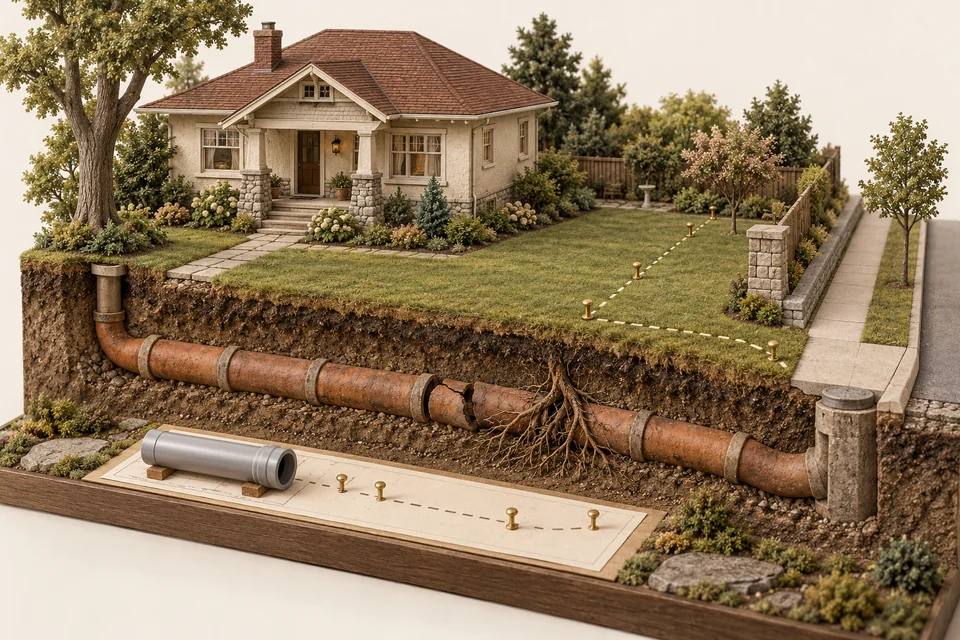
The visible symptom does not establish which pipe is damaged. Ask for the camera finding, its location and whether the recording reached the connection.
Read the full guide ↗Responsibility, service programs and approval steps differ across Alberta municipalities. A conceptual property line is not an ownership ruling.
Read the full guide ↗Cleaning, a spot repair, lining and replacement solve different problems. The route, shape, grade and site access determine what remains suitable.
Read the full guide ↗Include excavation access, connections, surface reinstatement and the acceptance record when comparing a proposed replacement.
Read the full guide ↗Conceptual study · not to scale · eligibility and ownership require site confirmation.
Sewer line replacement renews the private pipe that carries wastewater from a building to the municipal main, either by digging it up (open cut) or by trenchless methods such as lining or bursting. In Alberta it is justified when a recorded camera run shows collapse, a sag, or defects along much of the run, and each municipality sets its own ownership split and permit path.
Start with what the camera establishes
Use the section to see what changes. This is a teaching model; your recorded inspection determines the actual scope.
Open the full assessment tool ↗The round pipe can support a continuous inner lining when the method, preparation and connections are suitable. A site assessment must confirm the fit.
Follow one Alberta sewer replacement from the camera to the restored lawn
Pick a municipality, the defect the camera found, where it sits along a 20 m lateral, the pipe depth and what is on top. The model shows whose section it is, what the evidence points to, which approval applies and whether the trench needs protection; play it to watch the job run stage by stage.
What the model shows, in words
The property line moves the question, not the pipe
Slide the defect along the lateral and watch the owner band change colour at the property line. Calgary, Airdrie and Medicine Hat publish an owner side that ends there; Edmonton hands the rest to EPCOR; Okotoks keeps the owner responsible for a clear line all the way to the main, with the Town paying for corrosion, deterioration or frost damage past the line. Red Deer, Lethbridge and St. Albert show a dashed band because their pages leave the split to be confirmed.
The defect decides the dig
Roots bring a cleaning head and a second camera pass instead of an excavator. Cracks with no soil getting in are flagged to monitor or line. An offset joint gets one local excavation, while a sag or a collapse always opens the ground at that spot, because a liner or a bursting head would follow the dip or stall at the break. These are the same direction rules as the Replacement Readiness Check.
Depth switches on the trench rules
Choose a pipe deeper than 1.5 m and the excavation grows a cut-back wall and a shoring panel, and the panel reports that protection is required. That threshold comes from Part 32 of Alberta's occupational health and safety code, which also keeps the spoil pile at least a metre from the edge. Shallower picks still show the warning not to enter unstable ground.
Every stage has a gate
Play runs seven stages: camera, locate, approval, excavation, renewal, inspection and restoration. The locate stage waits for the three full working days Utility Safety Partners asks for, and the model paints only the registered lines, because nobody marks a private sewer lateral. The inspection stage holds the backfill until the pipe has been seen, the way the rough-in inspection does in the permit path.
Numbers are planning ranges, not prices
The cost readout uses only the ranges on the pricing page: a camera run, cleaning, a sectional liner or an excavated spot repair, adjusted for lawn versus hard surface. The drawing is illustrative, with the pit size, pipe and lot not to scale, and the approval line paraphrases what each municipality publishes. The city rules finder links the sources.
Where is your Alberta sewer decision stuck?
Pick the closest match. Each path goes to the guide that answers it in full.
Replacement Readiness Check
The Replacement Readiness Check asks eight questions about your line and returns an evidence-readiness score from 0 to 5, the gaps to fill before comparing replacement prices, and the direction the findings point: evidence first, clean and re-inspect, monitor, spot repair, lining, digging out a sag, replacing a collapse, or reviewing the whole length. It does not price or diagnose anything.
How the Replacement Readiness Check works →
Also freeAlberta City Sewer Rules Finder
Look up Alberta city sewer rules before a replacement: who owns each side of the line, which permit applies, who can apply, and who to call, city by city.
Replacement Readiness Check
Read these first
Camera evidence
What a replacement-grade recording has to show before anyone prices a new line.
CornerstoneAlberta cities
Ownership, approvals and contacts in Calgary, Edmonton, Red Deer, Airdrie, Okotoks, Lethbridge and more.
CornerstoneOpen cut or trenchless
Which findings rule lining in or out, and when digging is the only honest fix.
CornerstonePricing in Alberta
Planning ranges by method, the line items in a quote, and why Alberta jobs run deep.
What it looks like down there
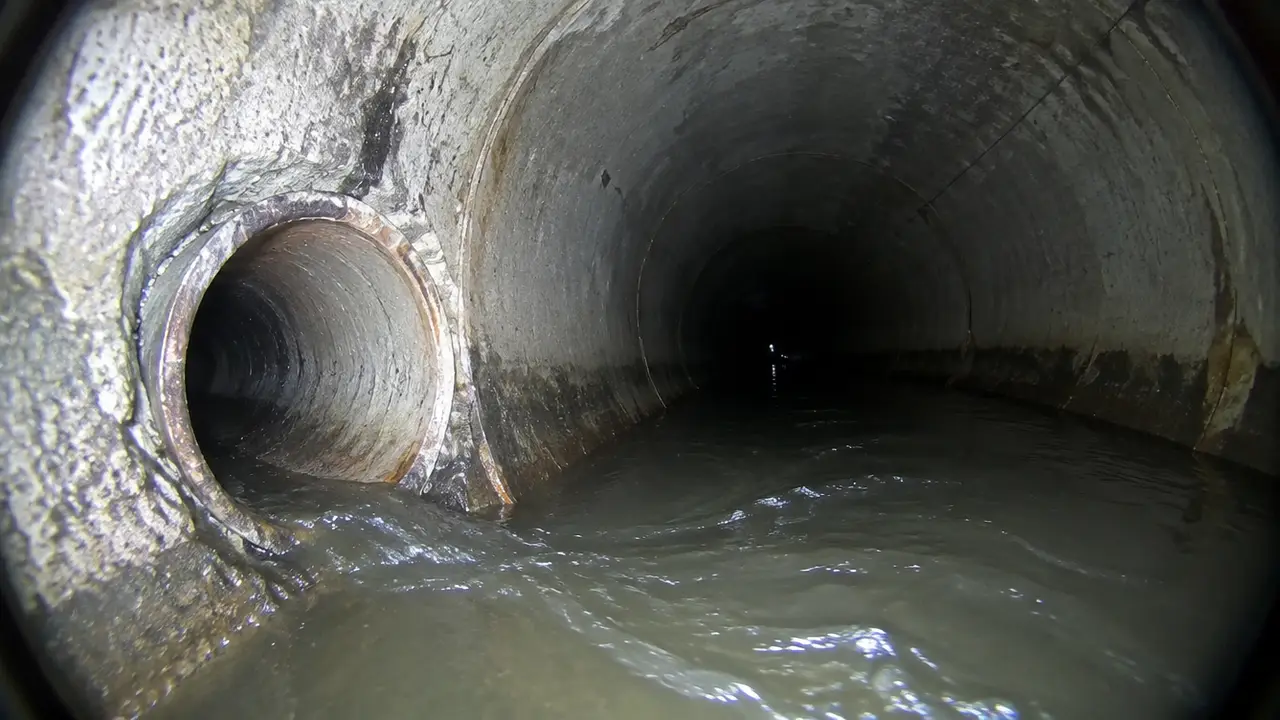
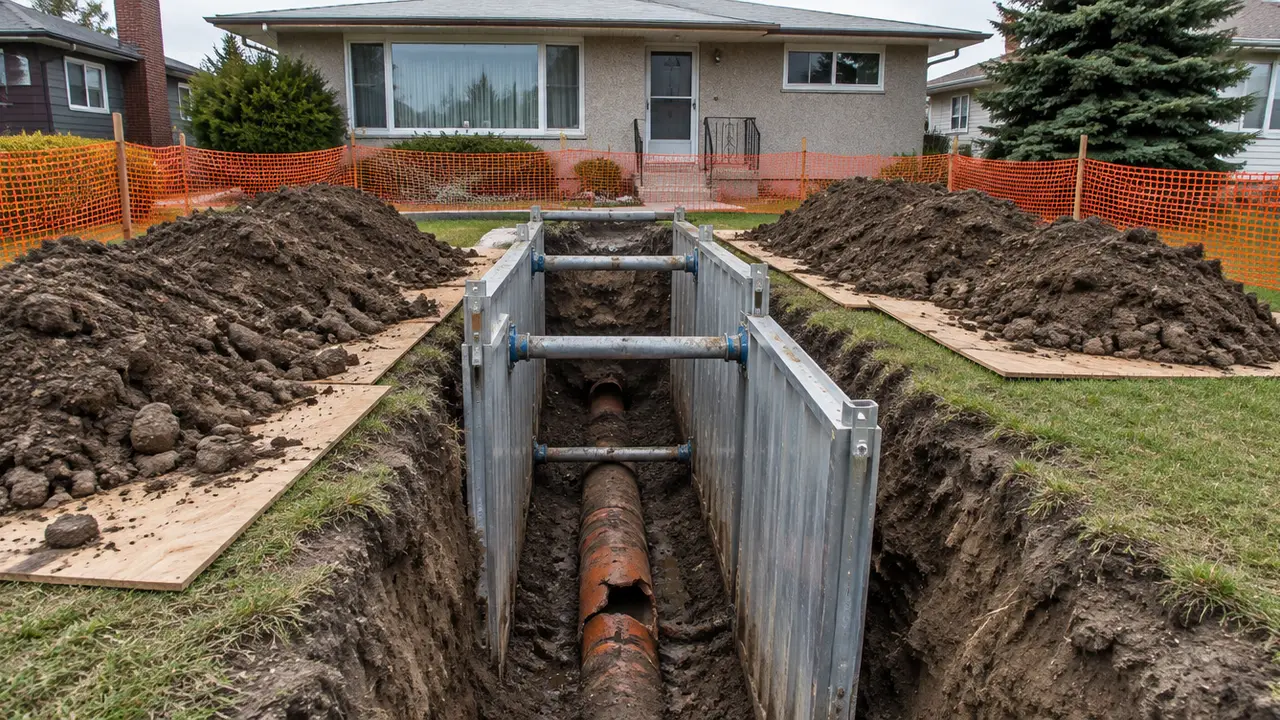
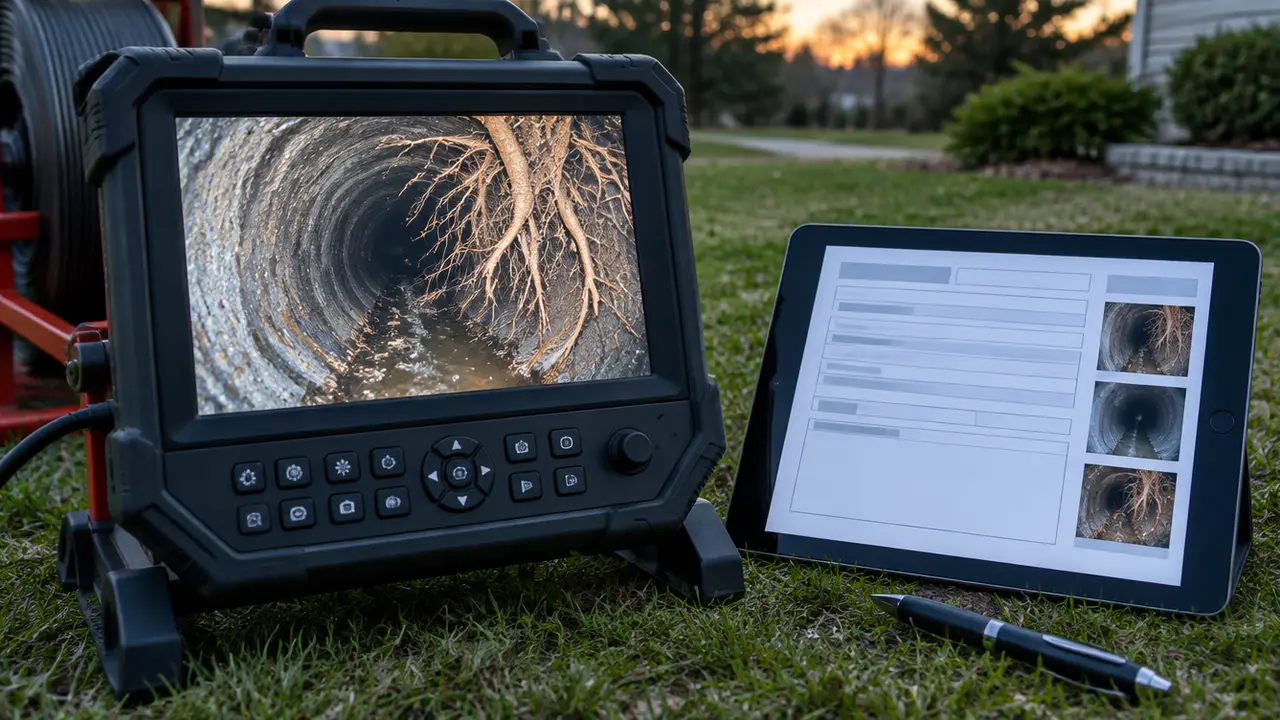
Illustrations of what this work involves and what a camera or a trained eye picks up. Every guide on SewerReplacements.ca carries more like these.
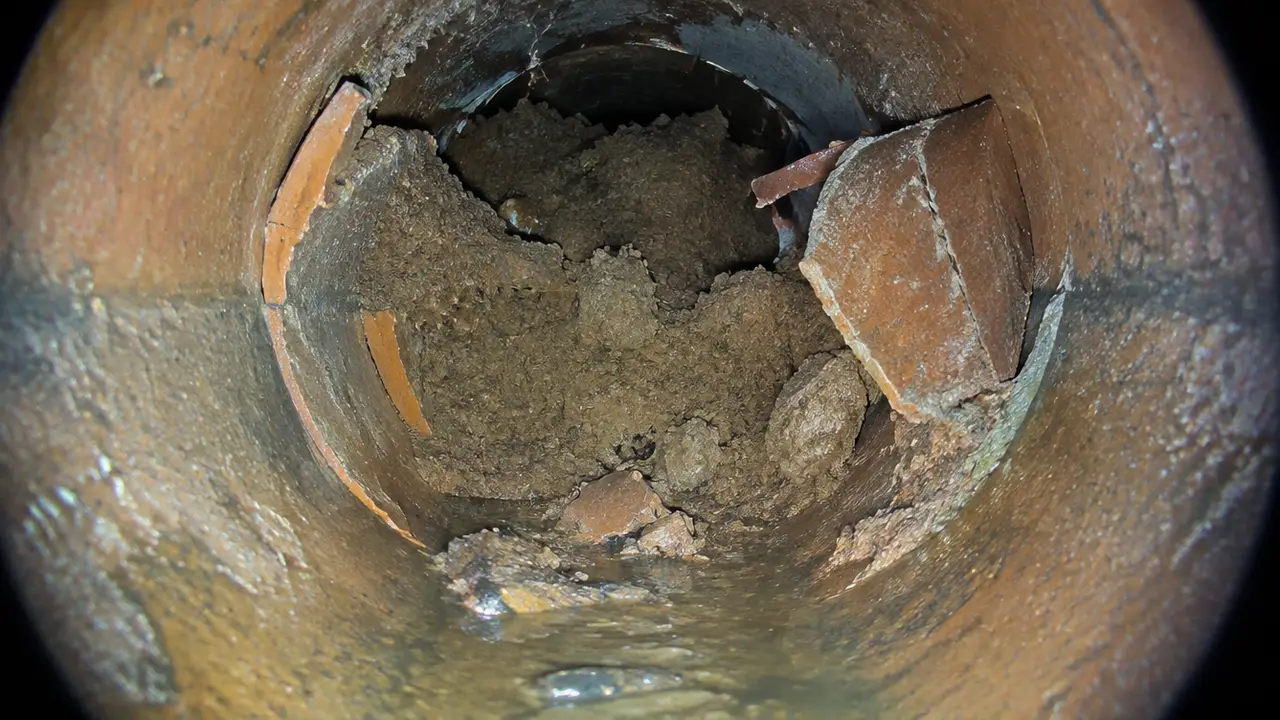
01 /Does a sewer backup mean the line needs replacing?
No. A backup tells you something is restricting the line; it does not tell you what. Cleaning may clear a blockage for good, a single defect may support a spot repair, and replacement becomes a serious option only when the evidence shows structural failure, poor grade, deterioration along the run, or repeated defects that a smaller job cannot fix reliably. Airdrie's own claims page makes the same point from the other side: most backups there come from a plugged line needing maintenance, not a failed pipe.
| Finding | Why it matters |
|---|---|
| Repeated backups at several fixtures | A shared-line problem that returns after clearing deserves a camera run, because cleaning is only buying time. |
| Structural camera findings | Collapse, severe deformation, displaced joints or a sag shift the question from cleaning to renewal. |
| A history of repairs | Several fixes at different points suggest a line-wide condition worth comparing with a full-length price. |
| Roots plus a pipe defect | Roots enter through an opening. Clearing them restores flow, but the opening and the pipe around it still need judging. |
The warning signs guide sorts symptoms by what they can and cannot tell you, and the Replacement Readiness Check scores whether your evidence is good enough to price anything yet.
02 /What does the camera have to show before a replacement is priced?
A continuous recorded run of the whole line, with distances measured from a named access point, the pipe material and every change of material, and the location of each defect marked on the ground with a sonde. With that, a contractor can say whether the damage is local or spread along the run, which side of the property line it is on, and which method fits. Without it, a replacement quote is an opinion with a number attached.
What each finding points to is set out in the methods overview, and what a usable recording contains is in sewer camera evidence. Defect codes and report reading are the specialty of SewerInspector.ca.
03 /Open cut, lining or bursting: how is the method chosen?
The evidence decides, then access. The smallest suitable intervention is not always a spot repair, and the least disruptive method is not always technically possible. A liner or a bursting head follows the existing pipe, so neither fixes a sag; EPCOR, Edmonton's drainage utility, states that sags can only be fixed by removing the pipe and regrading, and that a collapsed portion has to be replaced.
Each route has its own page: open-cut replacement, trenchless lining eligibility, and the side-by-side in traditional vs trenchless. National method theory lives on SewerReplacement.ca, and bursting in depth on PipeBursting.ca.
04 /What does sewer replacement cost in Alberta?
As a 2026 planning estimate, replacing a typical 15 to 25 m residential lateral by open cut quotes about $12,000 to $35,000 or more, full-length lining about $9,000 to $28,000, and pipe bursting about $10,000 to $30,000. An excavated spot repair runs about $3,500 to $16,000, and a recorded camera inspection about $250 to $600. Alberta jobs lean to the upper half when lines are deep, under hard surfaces, or dug in frozen ground.
Price follows four things: condition and method, length, depth and grade, access and restoration, and permits and the ownership boundary. The pricing page breaks a quote into its line items and explains why Alberta replacements run deeper and dearer. Insurance and paying the contractor are covered in insurance and paying for replacement.
05 /Why do Alberta cities need their own pages?
Because each municipality answers the ownership and permit questions differently, as checked September 2026. Calgary places the connection from the property line to the building with the owner and treats replacing a sewer line as plumbing-permit work. In Edmonton, EPCOR owns the pipe from the property line to the main. Red Deer requires Engineering Services approval before a service is removed or installed. Okotoks keeps owners responsible for a clear line to the main, except for corrosion, deterioration or frost damage past the property line. Lethbridge lists replacing a sewer connection as permit work.
Start with the Alberta cities overview, or go straight to Calgary, Edmonton, Red Deer, Airdrie, Okotoks or Lethbridge. Before any digging, utility locates and safe digging explains why your own sewer lateral never gets a paint mark.
06 /What is SewerReplacements.ca, and what is it not?
SewerReplacements.ca is part of the HAUSE Sewer network, an independent information and service-request network. It is not a contractor, does not dispatch crews, and does not promise availability, prices or outcomes. It focuses on one decision: whether and how an existing, failed property sewer line in Alberta should be replaced once the camera evidence is in.
Installation craft for new work is covered by SewerInstall.com, a Calgary homeowner getting a brand-new line by NewSewerLine.ca, and Calgary replacement in the deepest detail by CalgarySewerReplacement.ca. Short answers are in the FAQ and terms in the glossary. When your evidence is ready, send your video and details and the desk will reply with next steps.
Every guide on SewerReplacements.ca
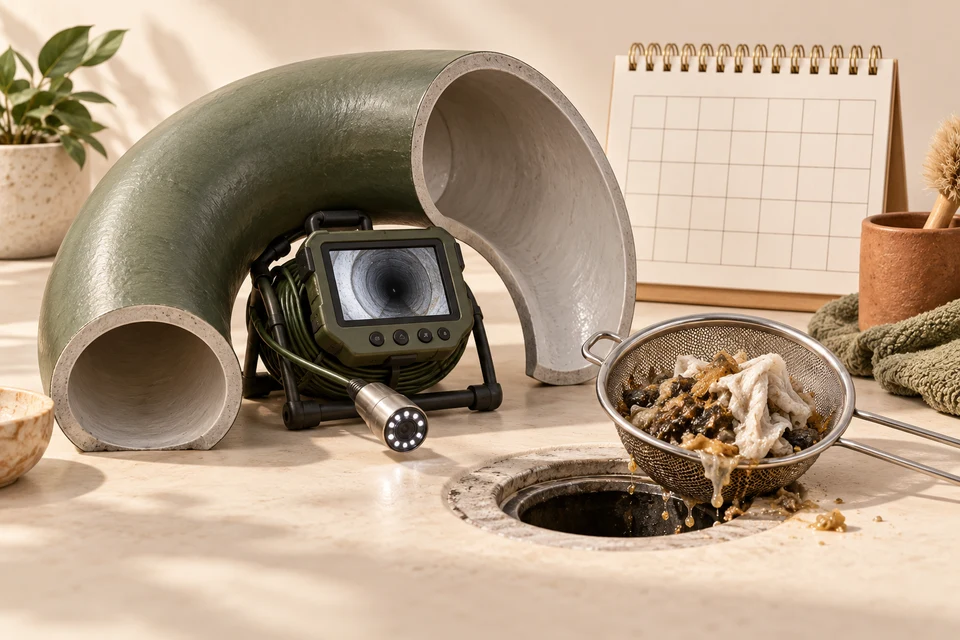
How to extend the life of your new sewer line
How to extend the life of your new sewer line in Alberta: the records to keep, a first-year check, cleanout access, roots, and care by CIPP, HDPE or PVC.
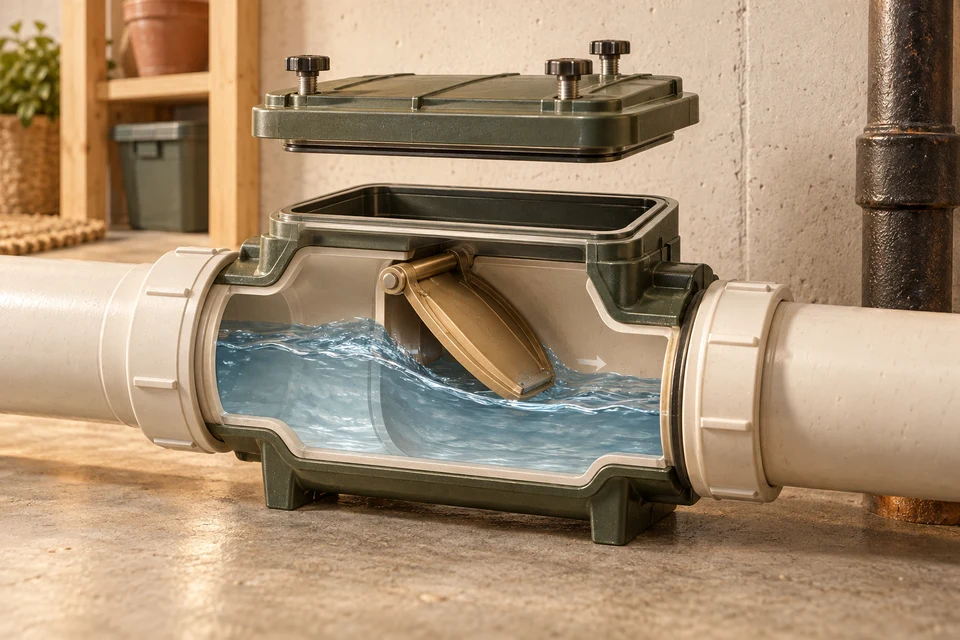
Adding a backwater valve during a sewer replacement in Alberta
Adding a backwater valve during sewer replacement in Alberta: why an open line is cheapest, EPCOR's subsidy, Calgary advice, permits, costs and upkeep.
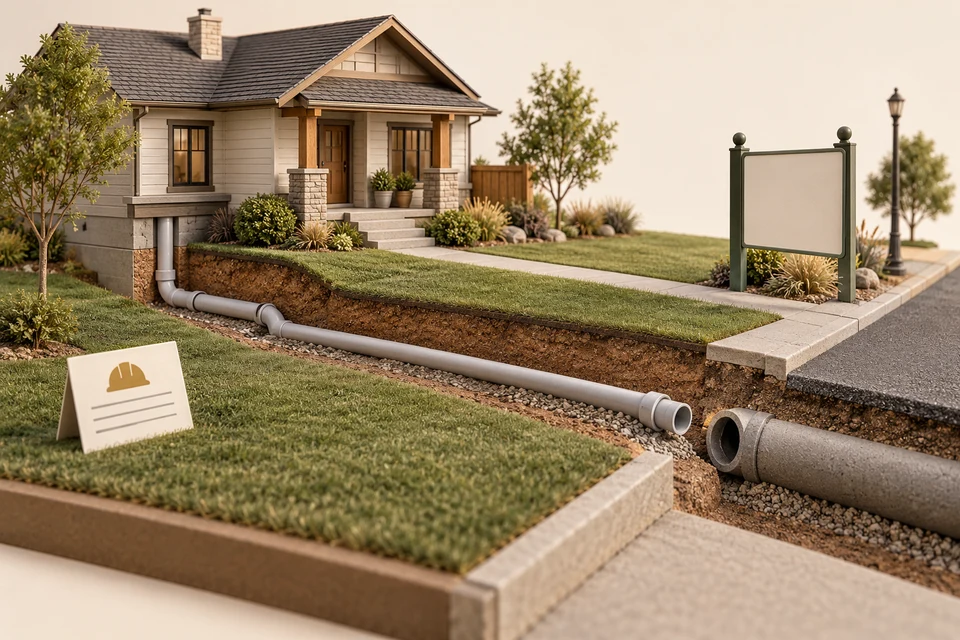
Sewer replacement in Airdrie
Sewer replacement in Airdrie: the owner's section to the property line, the 30-day claim window, accessory permits, the 2026 homeowner fee, locates and costs.

Sewer replacement in Calgary
Sewer replacement in Calgary: the property-line split, homeowner vs contractor permits, the 311 snake check, the lateral lining pilot and planning costs.
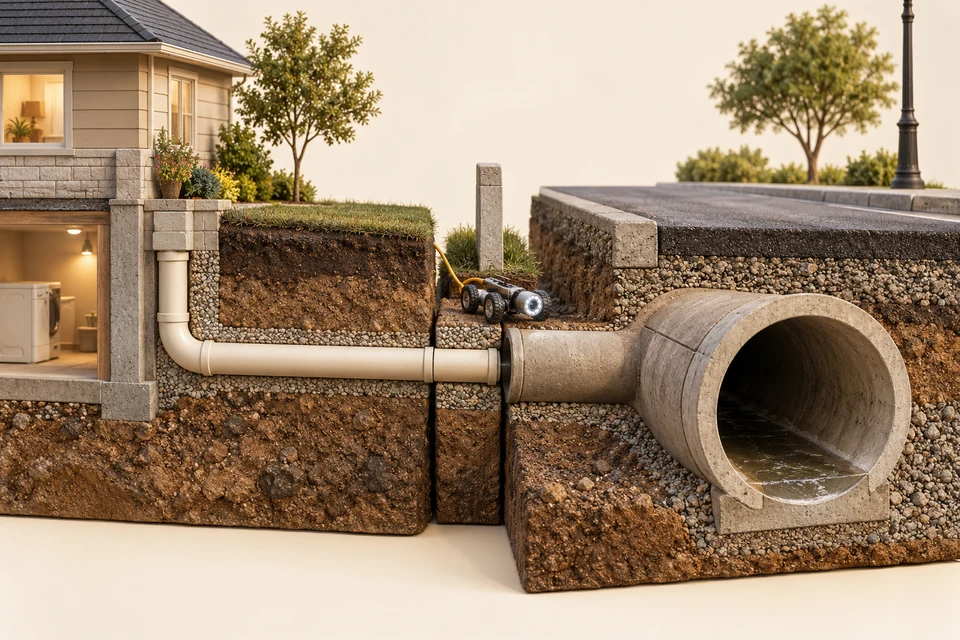
Sewer replacement in Edmonton
Sewer replacement in Edmonton: the EPCOR and owner split, what EPCOR says about sags, cracks and collapse, City plumbing permits, the valve subsidy and costs.
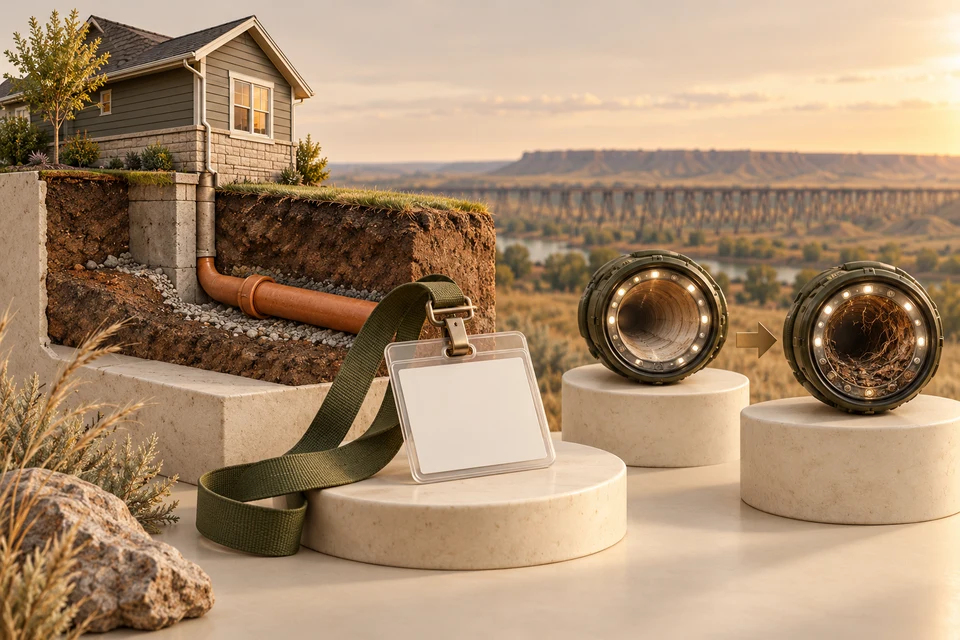
Sewer replacement in Lethbridge
Sewer replacement in Lethbridge: sewer connection permits, who may apply, what the application needs, rough-in and final inspections, the $110 fee and costs.
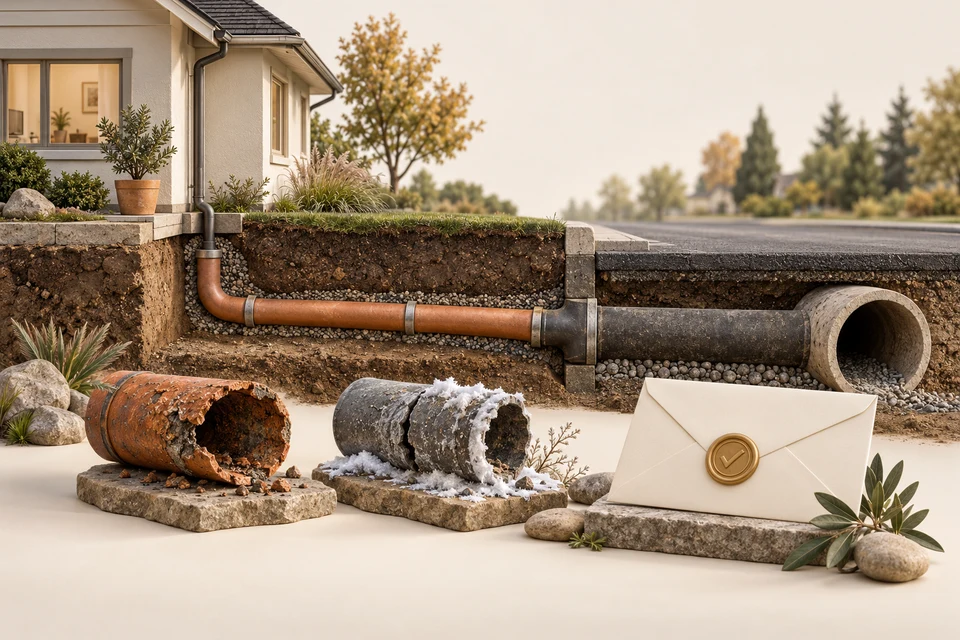
Sewer replacement in Okotoks
Sewer replacement in Okotoks under Bylaw 25-21: CAO approval, who keeps the connection clear, the corrosion, deterioration and frost exception, and costs.
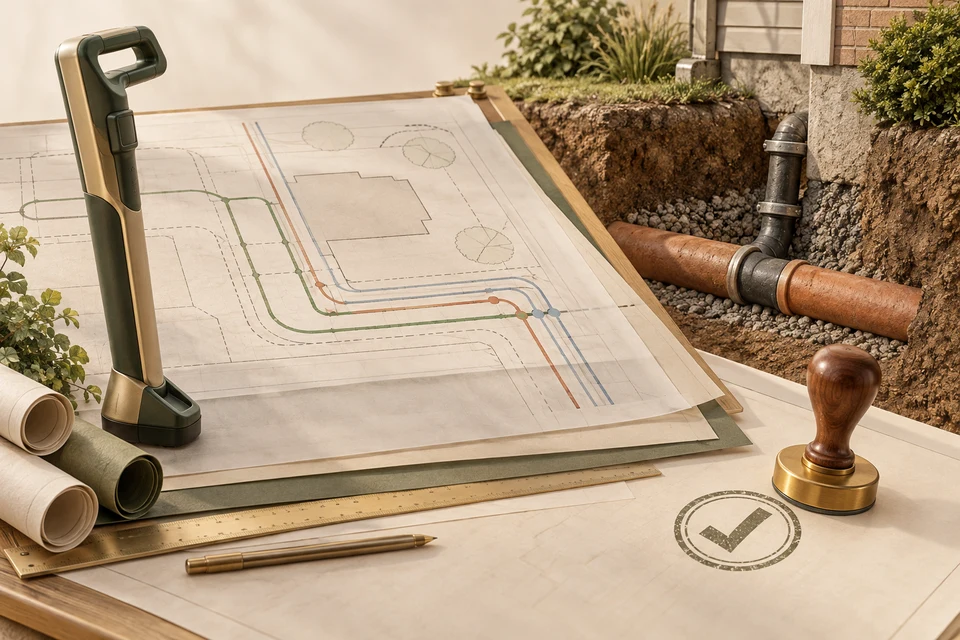
Sewer replacement in Red Deer
Sewer replacement in Red Deer: Engineering Services approval under Utility Bylaw 3606/2018, existing service records, listed restoration items and costs.
Sewer replacement insurance, city claims and paying the contractor in Alberta
Sewer replacement insurance in Alberta: what policies and cities pay, Airdrie's 30-day claim window, EPCOR's limits, deposits and prepaid contractor licences.
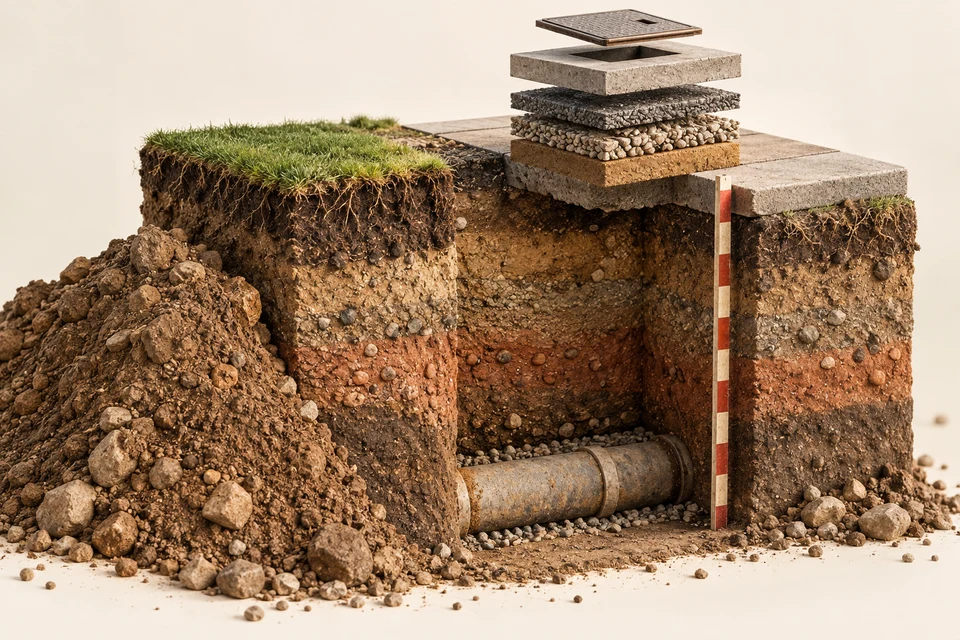
Why is sewer line replacement so expensive in Alberta?
Why sewer line replacement costs more in Alberta: frost depth, trench rules over 1.5 m, clay, groundwater, winter digging, restoration and per-metre pricing.
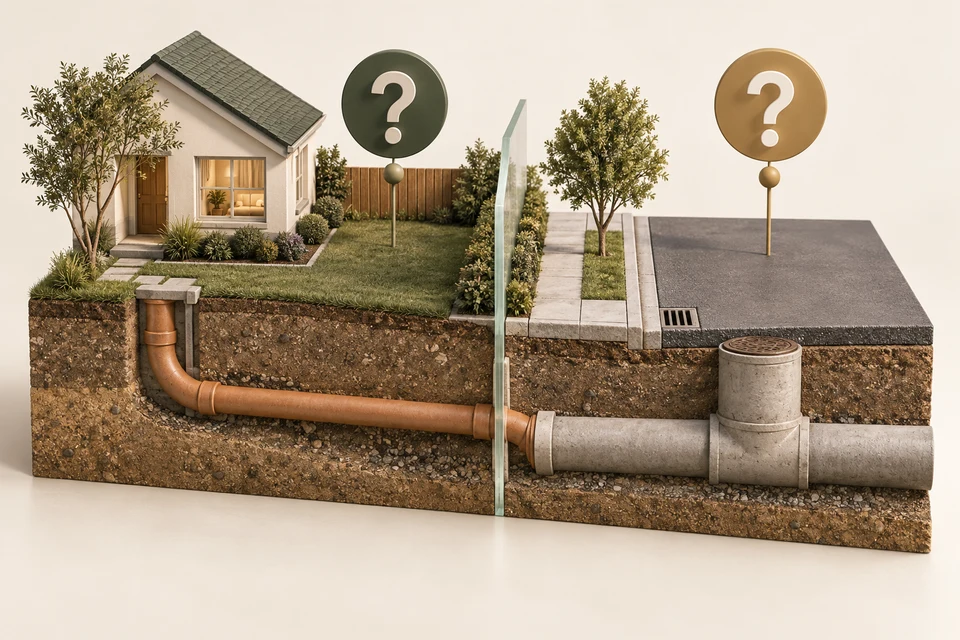
Understanding your city's sewer responsibility: homeowner vs. municipality
Sewer responsibility in Alberta, homeowner vs. municipality: what eight city and utility pages say, how to locate a defect first, scenarios and insurance.

5 sewer warning signs worth investigating
Five sewer warning signs worth investigating in Alberta homes: what each can mean, fixture vs main-line clues, what to record and when to book a camera.
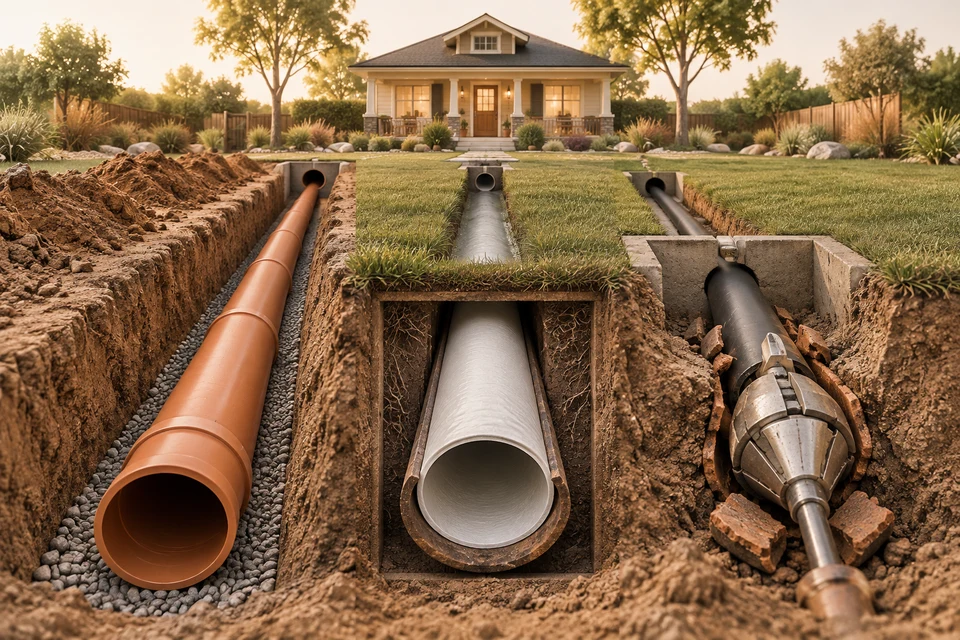
Traditional vs. trenchless sewer replacement: which is right for you?
Traditional vs trenchless sewer replacement in Alberta: which defects suit each method, 2026 cost ranges, frost and clay factors, and contractor questions.

Can I replace my own sewer line in Alberta?
Can I replace my own sewer line in Alberta? Homeowner permits in Calgary, Edmonton, Lethbridge and Airdrie, trench safety, locates and the city connection.
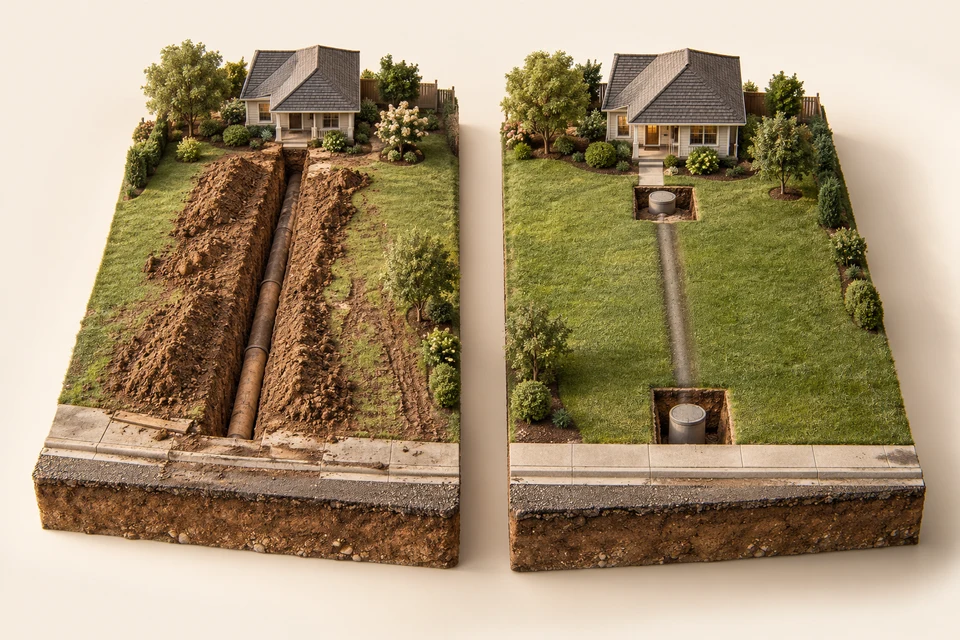
The environmental benefits of trenchless sewer repair
The environmental benefits of trenchless sewer repair, weighed honestly: spoil geometry, trees, hauling, resin and cure water, and when open cut wins.
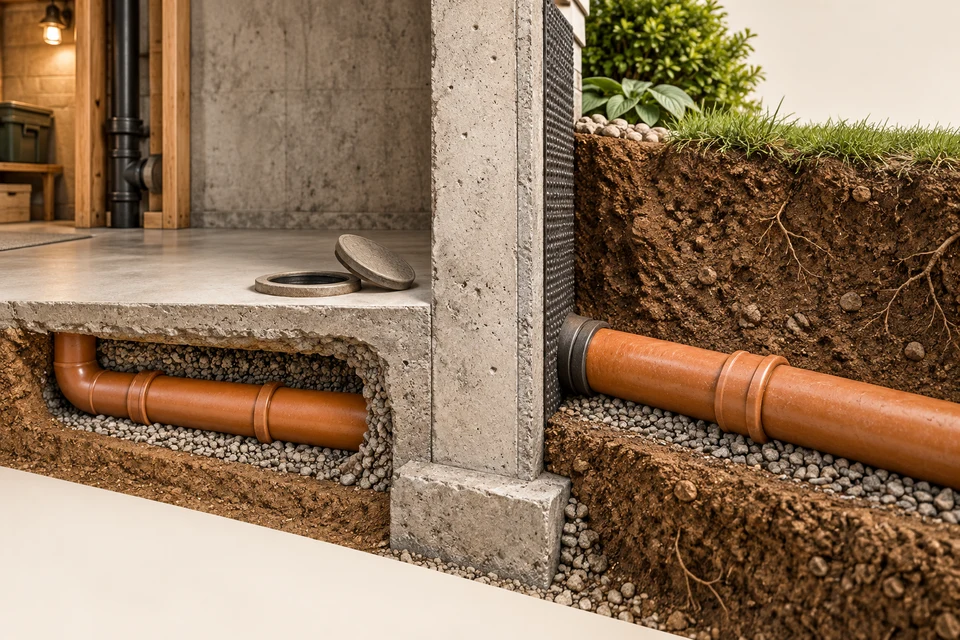
Interior vs exterior sewer replacement: under the slab or outside the wall?
Interior vs exterior sewer replacement in Alberta: how to tell if the break is under the basement slab or outside, what each job involves, permits and costs.

Compare the right sewer intervention for the evidence
Sewer replacement methods compared for Alberta homes: open cut, lining, bursting, spot repair and camera evidence, and which defects point to each one.
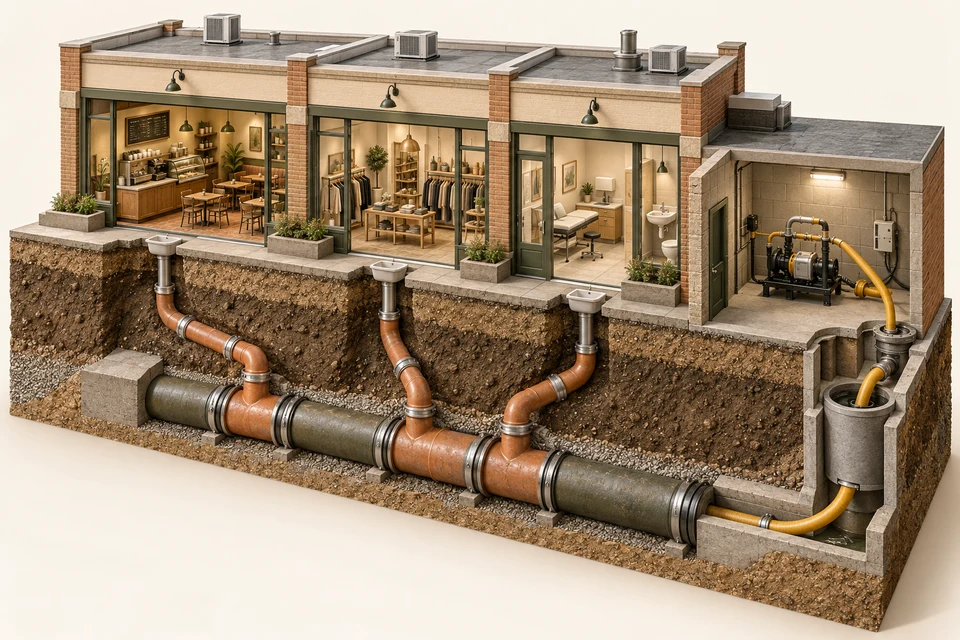
Commercial Sewer Replacement Review
Commercial sewer replacement review for Alberta condos, rentals, restaurants and offices: decision-makers, shutdowns, phasing, permits and trench rules.
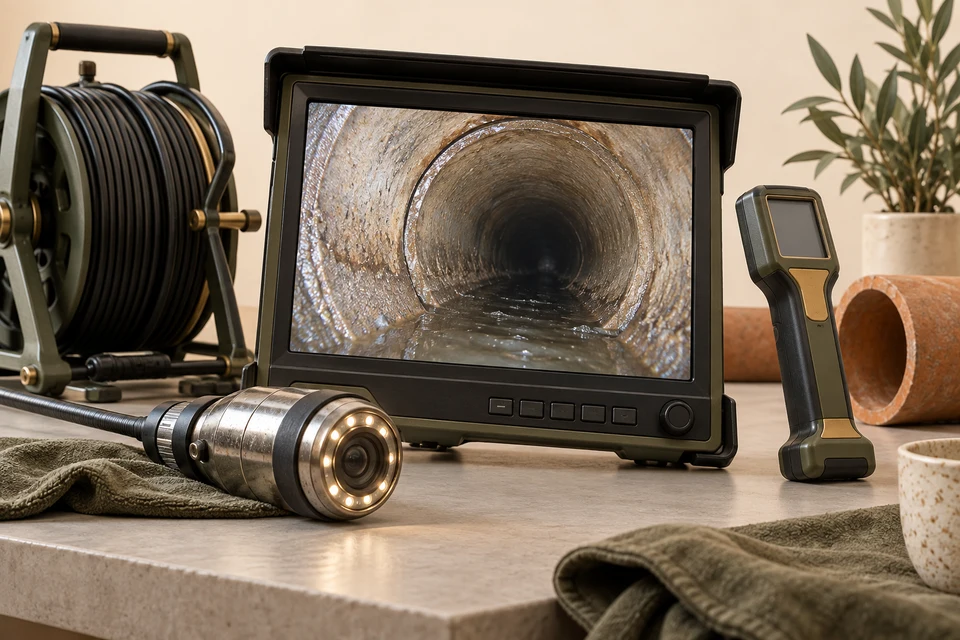
Sewer Camera Evidence
Sewer camera evidence for Alberta replacement decisions: what a usable recording shows, its limits, cleanout access rules by city and inspection costs.
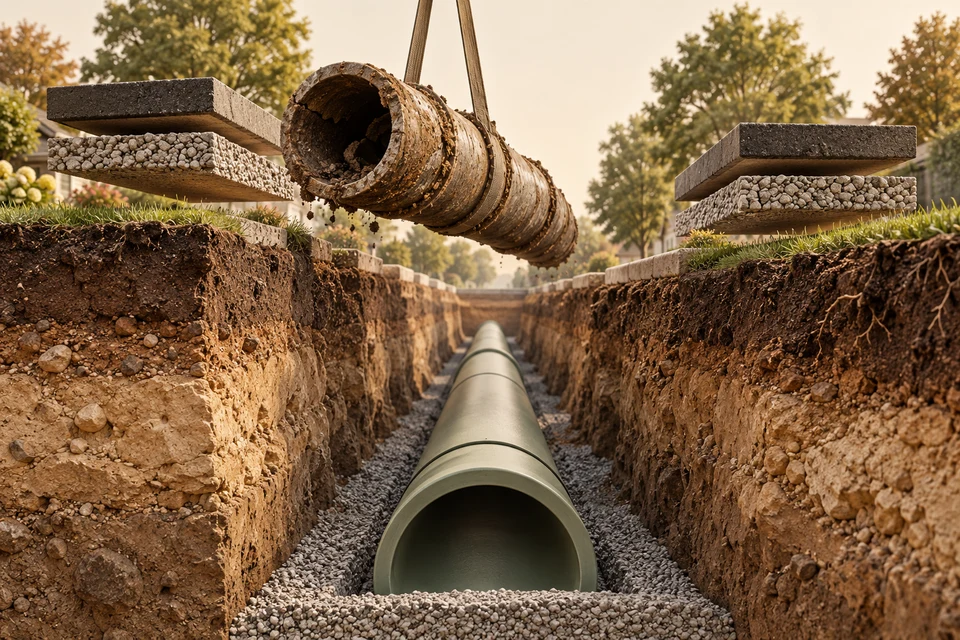
Open-Cut Sewer Line Replacement
Open-cut sewer line replacement in Alberta: when digging is justified, OHS trench rules, bedding and grade, restoration, city permits and typical costs.

Trenchless Sewer Lining Eligibility
Trenchless sewer lining eligibility in Alberta: what host pipe condition, grade, access and connections must show before a liner is a sound choice, and costs.
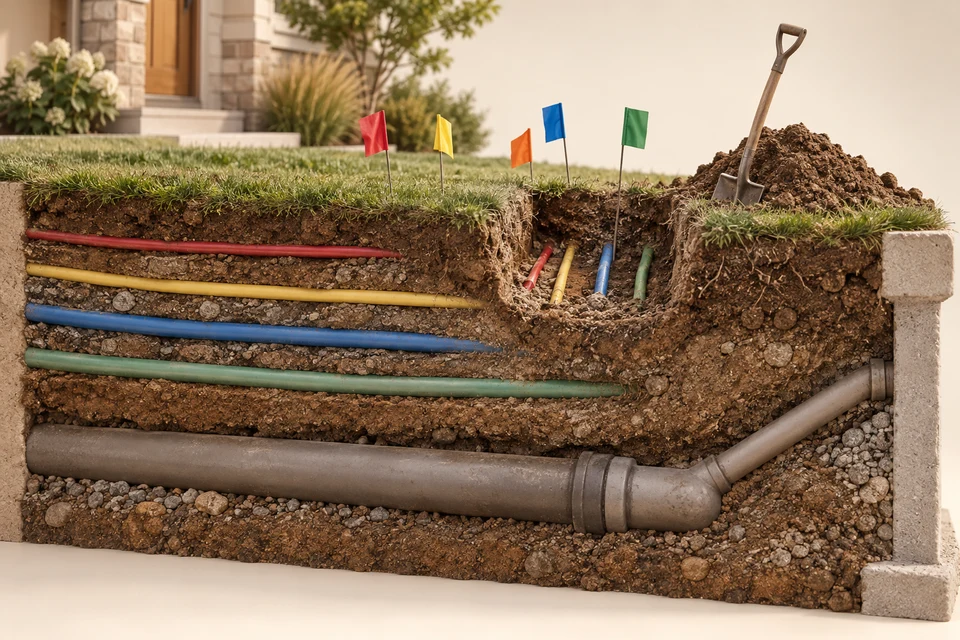
Utility locates and digging safely for a sewer replacement in Alberta
Utility locates in Alberta before a sewer dig: Click Before You Dig timing, the 1 m hand-expose zone, unmarked private lines, sonde locates and OHS rules.
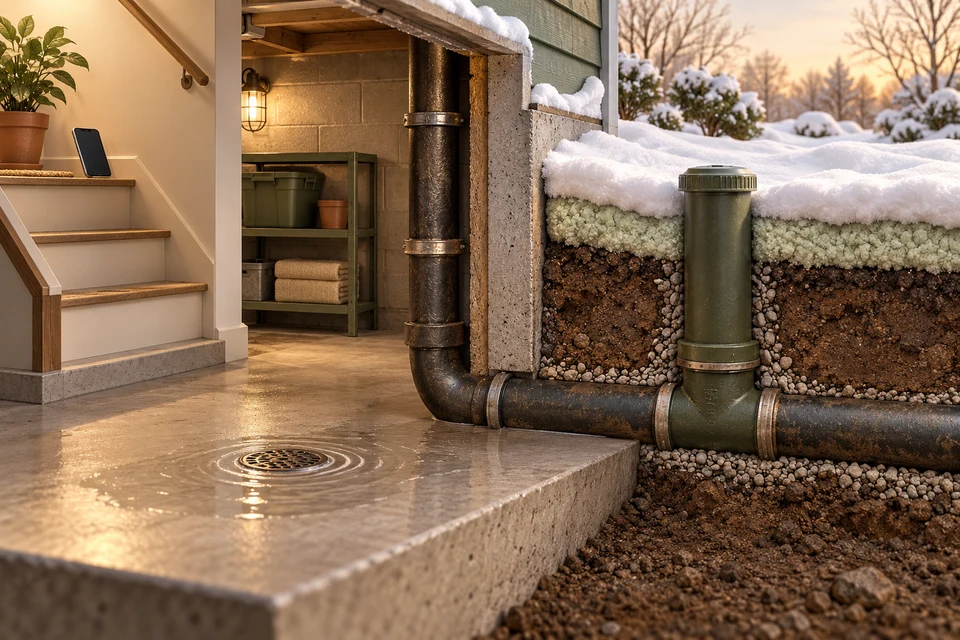
Winter sewer problems: prevention and safe first steps
Winter sewer problems in Alberta: frozen sewer vs frozen water line, safe first steps, Calgary 311 and EPCOR routes, and digging in winter vs waiting.
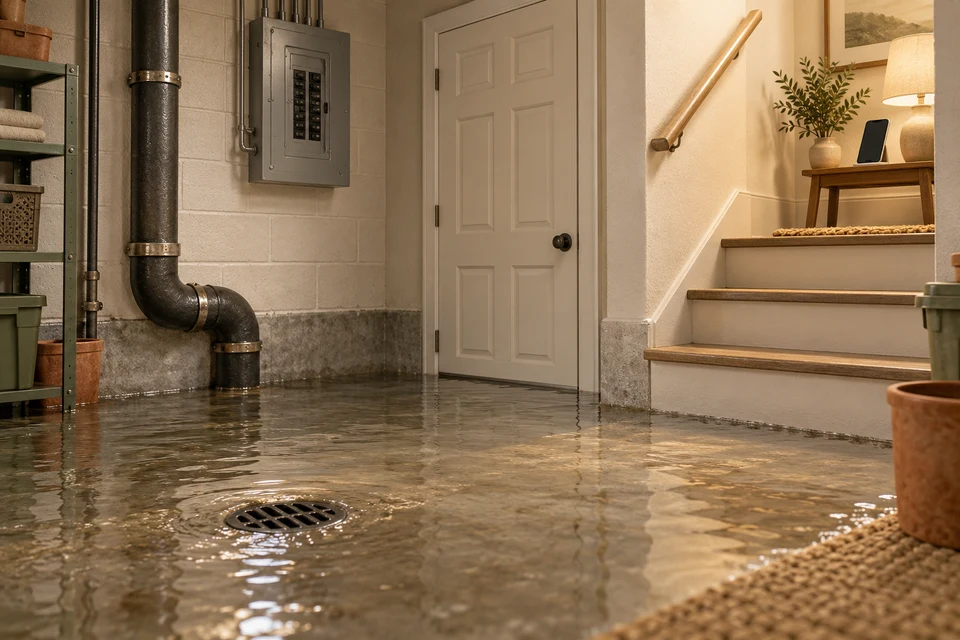
Urgent Sewer Service Requests
Urgent sewer service requests in Alberta: safe first steps in a backup, who to call first in each city, what to tell your insurer and how intake works.

Sewer replacement cost and pricing in Alberta
Sewer replacement cost in Alberta: 2026 planning ranges for open cut, lining, bursting and spot repairs, what drives a bid, and a written quote checklist.

Alberta City Sewer Rules Finder
Look up Alberta city sewer rules before a replacement: who owns each side of the line, which permit applies, who can apply, and who to call, city by city.

Replacement Readiness Check
Is your sewer evidence ready for a replacement quote? Score your camera record, extent and ownership, see the gaps, and where the findings point.

Sewer replacement across Alberta cities
Sewer replacement in Alberta cities compared: ownership splits, permits and approvals, contacts and local cost factors in Calgary, Edmonton, Red Deer and more.
Frequently asked
How do I know if my Alberta sewer line really needs replacing?
Get a recorded camera run of the whole line. Replacement is justified by collapse, a sag, or defects along much of the run, not by a backup alone.
Who pays to replace the sewer line on an Alberta property?
Usually the owner pays for the private side, but each municipality draws the line differently. Check your city page or the city rules finder, then confirm in writing.
Is trenchless replacement allowed in Alberta cities?
Trenchless methods are a construction choice, not a special permit category in the pages reviewed; the same plumbing permit or approval applies. Eligibility depends on the pipe.
How long does a sewer replacement take in Alberta?
On site, a lateral replacement often takes a few days, plus permit, locate and inspection lead times and weather. Frozen ground and hard-surface restoration add time.
Can I replace my sewer line in winter in Alberta?
Yes, but frost removal, heating and pit protection add cost and time. If the line is working after clearing, many owners wait for thawed ground.
Does SewerReplacements.ca do the replacement work?
No. HAUSE is an information and service-request network. Send your details and the desk replies with next steps; it does not dispatch crews.
Describe the problem once. Get a straight answer.
Send the symptoms and anything you already know — age of the house, what a camera found, what you have been quoted. The HAUSE Sewer desk replies with next steps and, where available, a local contractor for the job.
Sewage backing up right now? Stop using water, keep people away from the water, and do not touch electrical equipment near it.