These answers help Alberta property owners prepare for a camera inspection and a contractor conversation about replacing an existing sewer line. They cover the evidence replacement needs, how methods differ, timing, planning costs, permits, warranties, active backups, insurance and municipal rules. They are general guidance, not a diagnosis of an unseen pipe, and regional facts were checked in September 2026.
- Replacement is justified by what a recorded camera run shows, not by a backup alone.
- Every Alberta municipality reviewed treats replacing a sewer line as permit or approval work, with its own rules on who applies.
- Dollar figures here are CAD 2026 planning ranges that match the pricing page.
01 /How should I use these answers?
Read them before you book an inspection or sit down with a contractor, so you know what to ask for and what to question. Each answer is short and links to the page that explains it properly: the methods overview, the Alberta pricing page, the city guides and the two tools. The legacy version of this page promised answers given carefully, and that is still the standard: where a municipality has not published something, the answer says to confirm rather than guessing.
If sewage is coming up a floor drain right now, skip to the urgent first steps. Otherwise, the Replacement Readiness Check is the fastest way to see where your evidence stands, and the glossary defines the terms used below.
FAQAll questions
How do I know whether sewer replacement is warranted in Alberta?
A recorded camera run has to show a collapse, a sag holding water, defects along much of the run, or a line that keeps failing after repairs. One defect in sound pipe usually points to a spot repair instead. See sewer camera evidence.
What separates open-cut from trenchless sewer work on an Alberta lot?
Open cut digs a trench and relays the pipe on grade. Trenchless lining forms a new pipe inside the old one, and bursting breaks the old pipe while pulling a new one through; both follow the existing line and need only pits or access points. See traditional vs trenchless.
Can a failed sewer line in Alberta be spot repaired instead of replaced?
Often, when the camera shows one defect and sound pipe on either side. A local dig or a sectional liner renews that spot. Several defects, or a pipe material near the end of its life, tilt the answer toward a full-length job.
How long does an Alberta sewer replacement take from first call to finish?
Allow for the camera run, quotes, the permit or approval, at least three full working days for locates, then usually a few days on site plus restoration. Frozen ground and hard-surface restoration add time.
What does a sewer line replacement cost in Alberta in 2026?
As a planning estimate for a 15 to 25 m lateral: open cut about $12,000 to $35,000 or more, lining about $9,000 to $28,000, bursting about $10,000 to $30,000, and a spot repair about $3,500 to $16,000. See the pricing page.
Are permits required to replace a sewer line in Alberta municipalities?
Yes in every municipality reviewed, but the body differs: a plumbing permit in Calgary, Edmonton and Lethbridge, Engineering Services approval in Red Deer, an accessory permit in Airdrie, and written CAO approval for connection work in Okotoks.
What warranty should an Alberta sewer replacement come with?
Written terms, not verbal assurances: the contractor's labour warranty, any pipe or liner maker's warranty, what is excluded, whether it transfers to a buyer and how a claim works. Terms vary by provider, material and scope.
What should I do first during an active sewage backup in Alberta?
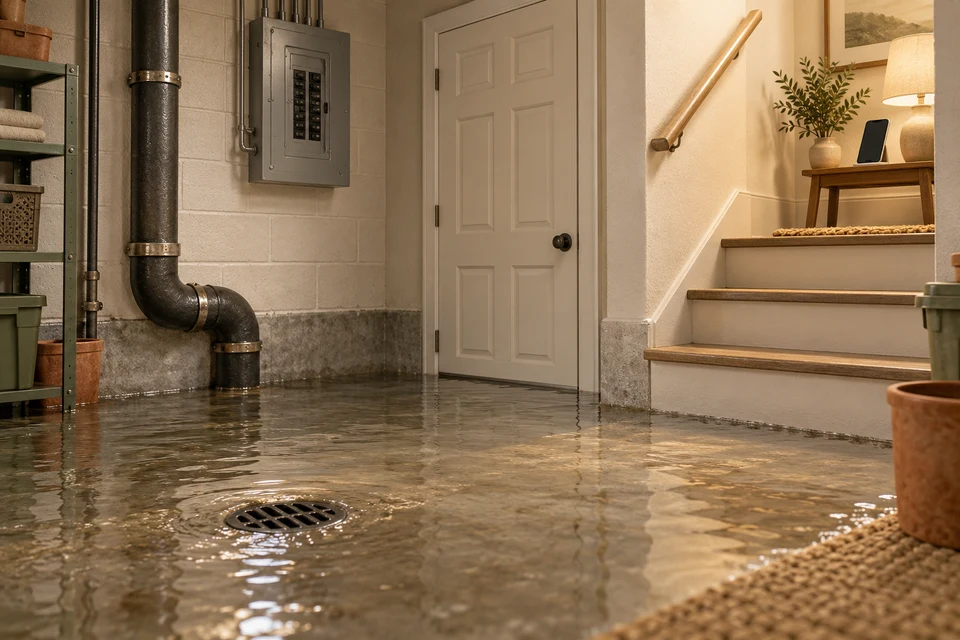
Stop all water use, keep people and pets away, stay clear of wet electrical equipment, and report it: in Calgary call 311; in Edmonton EPCOR offers a diagnostic service. Then photograph everything for your insurer. See urgent first steps.
Will home insurance cover replacing my sewer line in Alberta?
Do not assume it. The Insurance Bureau of Canada says backup damage is covered only with optional sewer backup coverage, and coverage of the pipe itself depends on your policy. Ask your insurer in writing.
Who owns the sewer line between my Alberta house and the street?
It depends on the municipality. Calgary, Airdrie and Medicine Hat publish an owner side ending at the property line; in Edmonton EPCOR owns the pipe from the property line to the main; Okotoks keeps owners responsible for a clear line to the main. Use the city rules finder.
Does a root finding mean my Alberta sewer line must be replaced?
No. Roots show an opening, usually a joint. Cutting them restores flow; sealing the joints, lining or replacement is justified only when the camera shows the pipe itself failing or roots returning at many joints.
Can a liner fix a sag in an Alberta sewer line?
No. A liner follows the existing grade, so a belly stays a belly. EPCOR states that sags can only be fixed by removing the affected pipe and regrading the trench bottom.
Why do Alberta sewer trenches need shoring or sloped walls?
Because Alberta's OHS Code requires protection for a worker in an excavation more than 1.5 m deep and closer to the wall than its depth. Building sewers sit below frost, so many trenches cross that line. See open-cut replacement.
Will the locate service mark my private sewer line in Alberta?
No. Utility Safety Partners marks registered utilities only; customer-owned sewer and water service lines are not marked. A private locator, often with a camera sonde, finds your lateral.
Can a homeowner replace their own sewer line in Calgary or Edmonton?
Both offer homeowner permits only if you live in the home and do the work yourself; Edmonton limits it to an owner-occupied single detached house. Trench safety still applies. See can I replace my own sewer line.
Does Okotoks ever pay to fix the sewer connection past the property line?
Its Sanitary Sewer Bylaw says the Town pays for repairs between the property line and the main when a blockage results from corrosion, deterioration or frost damage. Routine blockages remain the owner's cost.
Does EPCOR repay a plumber I hired for a blockage on its side?
No. EPCOR states it will not reimburse plumber's fees regardless of where the blockage is, and charges a fee when prohibited waste caused it.
Should I add a backwater valve while my Alberta sewer is being replaced?
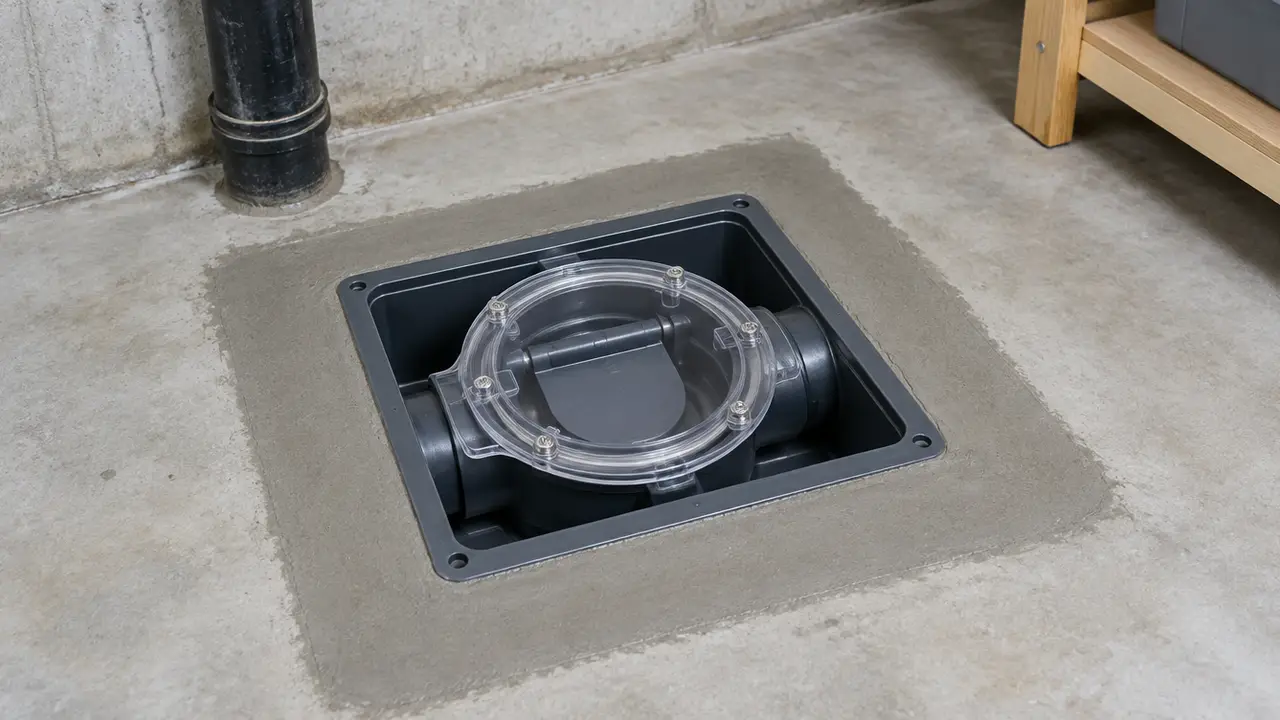
It is usually the cheapest moment, since the line is already open. Calgary recommends valves on below-grade fixtures, and EPCOR offers eligible Edmonton homes a subsidy of up to $800. See backwater valves during replacement.
Is trenchless replacement better for the environment in Alberta yards?
On an eligible line it can disturb far less soil and landscaping, but it adds resin, curing and access work. Compare the documented excavation, hauling and restoration in each scope. See environmental factors.
Is the basement drain or the outside sewer the part that failed?
Read the camera distance at the foundation wall. Defects before it are in the building drain under the slab; defects after it are in the building sewer outside. They are priced as different jobs. See interior vs exterior replacement.
Can commercial and multi-unit sewer lines in Alberta go through the same process?
The evidence steps are the same, but approvals, shutdown windows, tenant notices and decision-makers add layers, and Lethbridge lists drawings for complex or commercial systems. See commercial sewer replacement.
How can I make a new sewer line last in an Alberta climate?
Keep the project video and permit records, keep grease, wipes and chemicals out of the drains, keep the cleanout accessible, and film the line again if symptoms return. See extending sewer life.