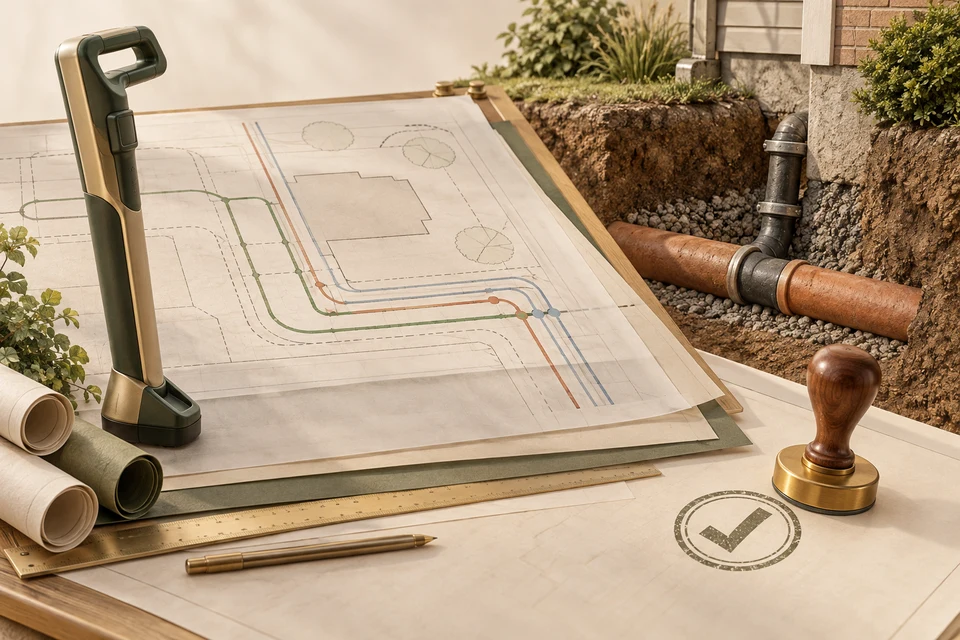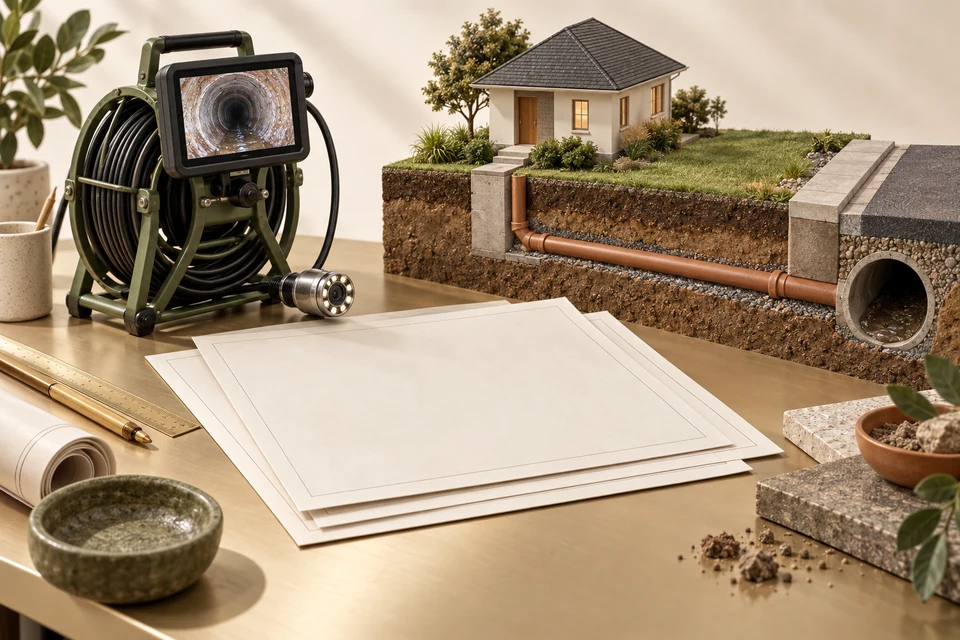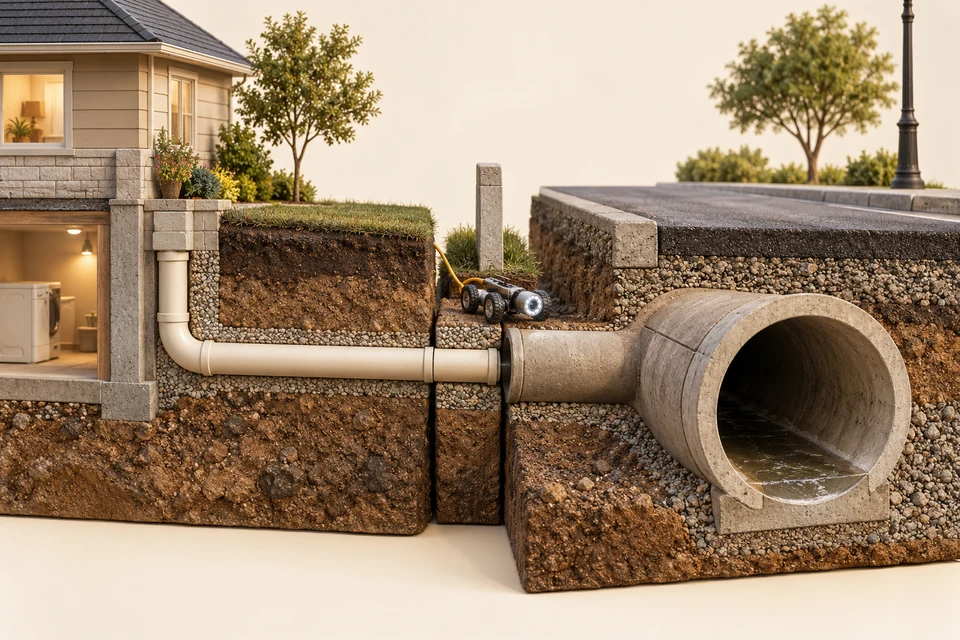
Sewer replacement in Edmonton splits at the property line. EPCOR, which runs the drainage utility, says owners maintain and repair the sewer lines on their property, backwater valve included, and EPCOR is responsible from the property line to the main. EPCOR will not reimburse plumber's fees wherever the blockage is, and replacement work needs a City of Edmonton plumbing permit.
- EPCOR is responsible for the pipe from the property line to the main in the street or alley; the owner is responsible for everything on the property.
- EPCOR states that a sag can only be fixed by removing the pipe and regrading the trench bottom, and that a collapsed portion must be replaced.
- Small cracks may be tolerated if they are not wide enough to let backfill into the pipe, so a crack alone is not a replacement order.
- A City of Edmonton plumbing permit costs $120 per address or unit plus a minimum $4.80 safety code fee, as checked September 2026.
- EPCOR's backwater valve subsidy pays up to $800 toward an approved valve for eligible homes, first come, first served.
01 /Where does an Edmonton sewer replacement decision start?
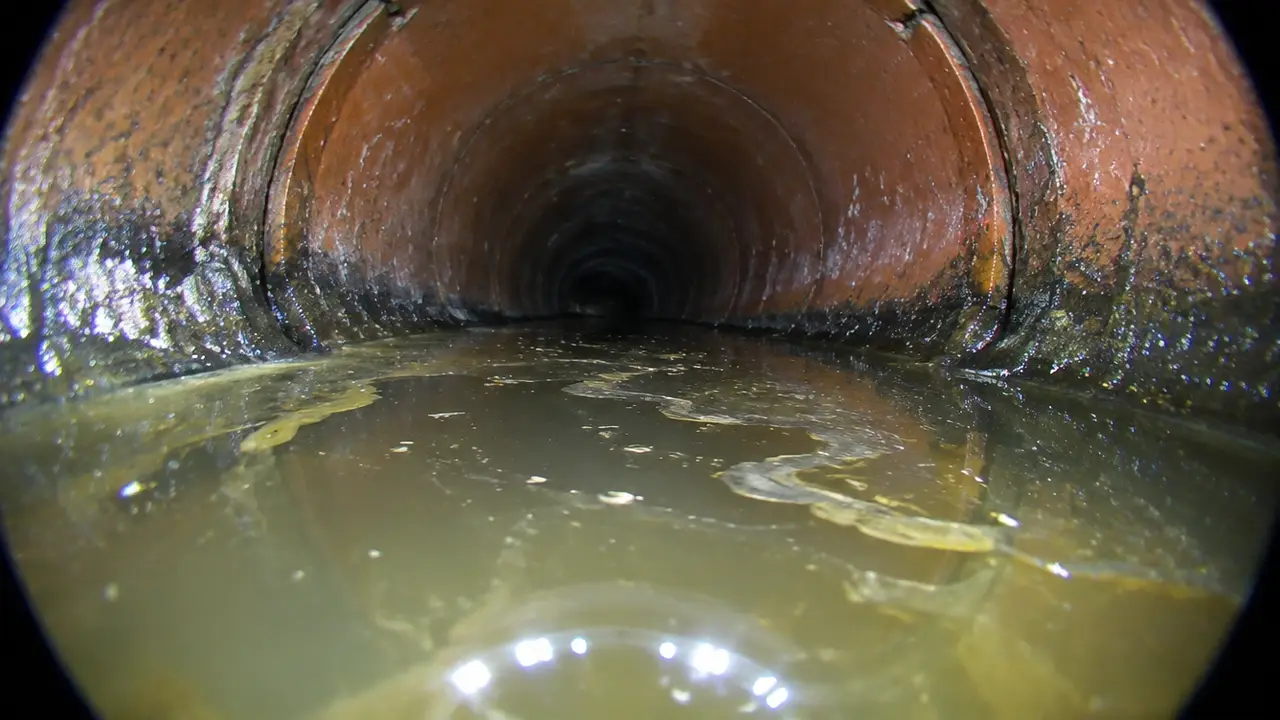
It starts with where the problem sits: inside the home's plumbing, in the private service pipe, or past the property line on EPCOR's side. Each location has a different owner, a different first call and a different fix. A camera record that shows the location and type of defect, whether blockage, sag, break or roots, is what turns a symptom into a scoped decision.
Edmonton is unusual among Alberta cities because the utility itself has published how it reads common defects. EPCOR's sewer lines page says what a sag, a crack and a collapse mean for repair, and those statements make a useful yardstick for any quote you receive. The Alberta cities overview shows how other municipalities compare, and the Replacement Readiness Check points out which evidence is still missing.
02 /Who is responsible for which part of an Edmonton sewer line?
EPCOR describes a shared responsibility. Property owners are responsible for maintaining and repairing the sewer lines on their property, including the backwater valve if one is installed. EPCOR is responsible for the pipes from the property line to the sewer main in the street or alley, as checked September 2026. Confirm the exact boundary for your lot with EPCOR before you assume who pays for a defect near the line.
EPCOR also offers a basic service to help diagnose drainage problems with a sewer service. Two rules shape what happens next. First, EPCOR states it will not reimburse plumber's fees, regardless of where the blockage turns out to be. Second, a fee is charged if the blockage was caused by prohibited waste items. If you call a private plumber first and the problem is on EPCOR's side, the plumber's bill is still yours. The sewer responsibility guide sets this against the rest of Alberta.
03 /How does EPCOR describe sags, cracks and collapses?
EPCOR's page gives three plain statements that line up closely with how replacement decisions are made. Read your camera report against them.
| Finding | What EPCOR says | What it means for a quote |
|---|---|---|
| Sag (belly) | Can only be fixed by removing the affected pipe and regrading the trench bottom | Excavate at least the sag; a liner alone keeps the belly |
| Small cracks | May be tolerated if not wide enough to let backfill into the pipe | Monitor or spot repair, with re-inspection, may be reasonable |
| Collapse | Replacing the collapsed portion is the only viable option | Replace at least that section; ask how far the damage extends |
The practical test for a crack is whether soil is getting in. Ask the camera operator to pause on each crack and note whether backfill, fines or water are entering. A dry hairline crack in otherwise sound pipe is a different finding from a crack with soil piling up beneath it. The sewer camera evidence page explains how to read those frames.
04 /What does EPCOR need at your cleanout?
Room to work. EPCOR states that its crews cannot safely work in a space less than 5 ft (about 1.5 m) high and 4 ft by 4 ft (about 1.2 m by 1.2 m) wide at the cleanout. Cleanouts in low crawl spaces, behind a vanity, a water heater or a furnace, or boxed in by finishing may need to be opened up before EPCOR, or any contractor, can diagnose the line.
If you are replacing the building sewer anyway, fix access at the same time. A new, reachable cleanout at the foundation makes every future inspection cheaper and lets a camera reach the property line without going through a toilet flange.
05 /Do you need a City of Edmonton plumbing permit to replace a sewer?
Almost always. The City of Edmonton's residential plumbing permits page says a permit is required under the Safety Codes Act to install or alter plumbing, including drains and backwater valves. Like-for-like maintenance in the same location does not need a permit. Replacing a building sewer usually goes beyond that, but confirm with the City how your scope is classed.
- Homeowner permit: you must own and occupy the single detached house and do the work yourself.
- Contractors must be licensed with the City of Edmonton.
- Fee: $120 per address or unit, plus a minimum $4.80 safety code fee, for work other than new single-family construction, as checked September 2026.
- Inspections are requested through the City's SelfServe portal or 311 (780-442-5311 from outside Edmonton).
Across Alberta, the National Plumbing Code of Canada 2020 has been in force since April 1, 2023, and contractors doing sewer and water services may need a Restricted Certificate of Competency. The homeowner permit guide covers the do-it-yourself route.
06 /Should you add a backwater valve during an Edmonton replacement?
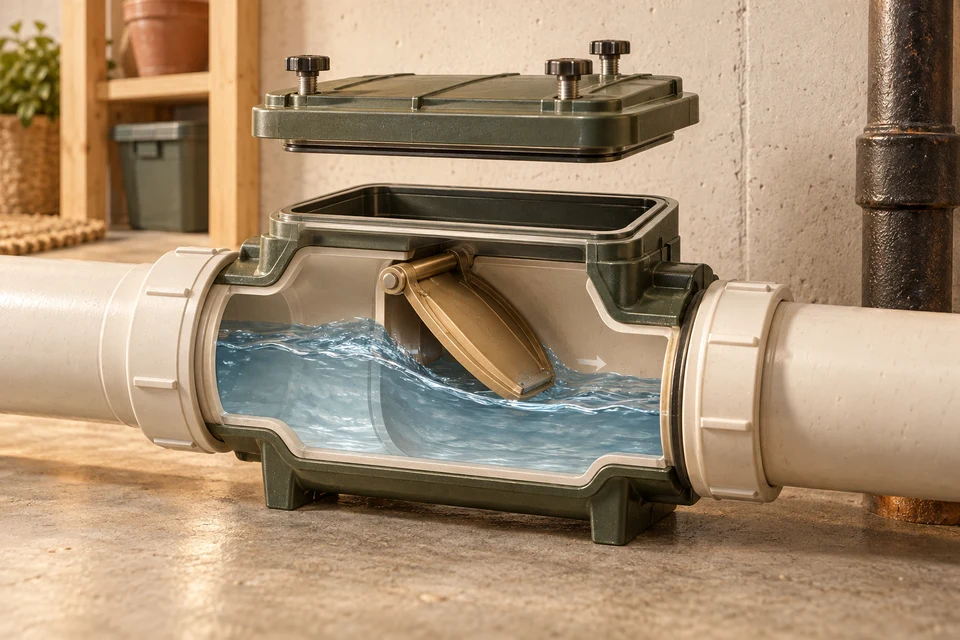
Often yes, and EPCOR helps pay for it. The backwater valve subsidy offers up to $800 toward an interior or exterior valve, as checked September 2026. Eligibility includes a home built before 1989, previous sanitary backup flooding, or an area with a history of neighbourhood flooding. The home must have no existing valve, no previous subsidy at the address and be separately serviced.
A professional plumber must install one of five approved models. You then apply with the City of Edmonton permit number (the green sticker), the paid invoice and the form. Funding is first come, first served and subject to availability, so confirm the program is open before you count on it. The backwater valve guide explains placement while the line is open.
07 /What camera evidence should you request in Edmonton?
- Whether the problem affects one fixture (internal plumbing) or the main service.
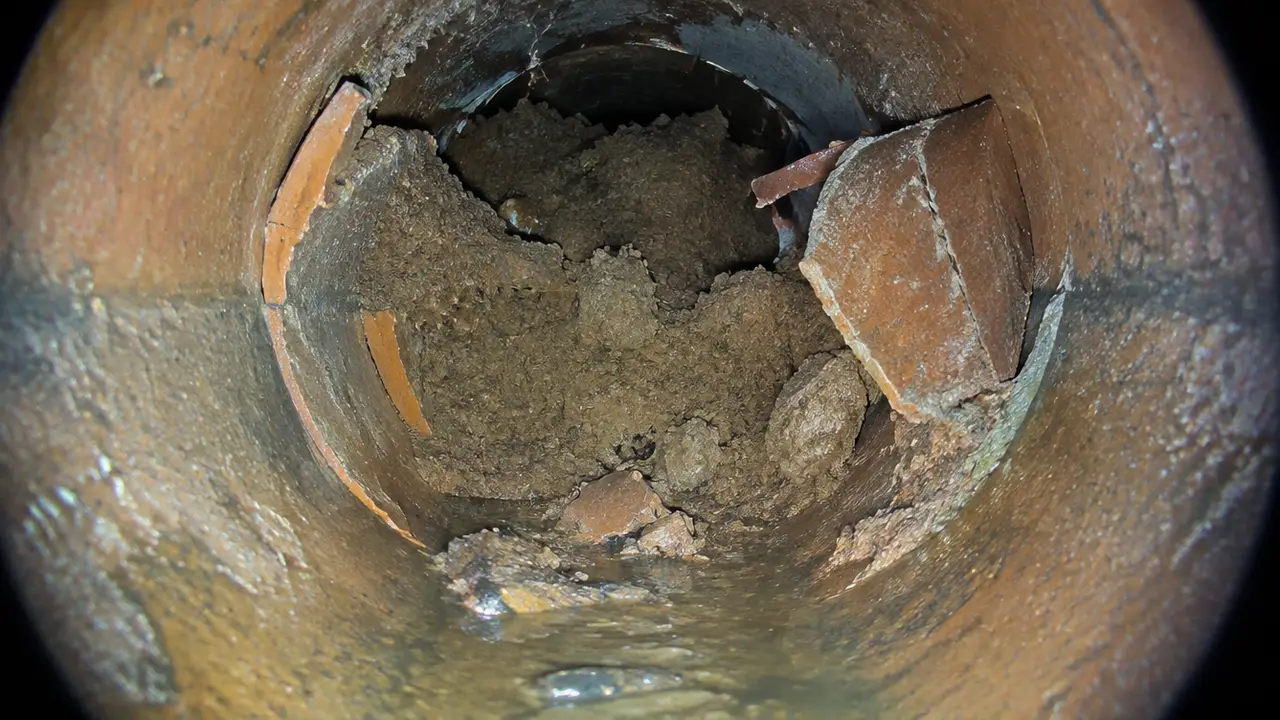
- Footage distance, from a named cleanout, to every sag, break or root intrusion.
- Where each defect sits relative to the property line, with a surface mark and estimated depth.
- Whether backfill or debris is entering the pipe at any crack, per EPCOR's test.
- How long each sag holds water, so the length to regrade can be estimated.
- Access at the main cleanout, including any restricted crawl space.
If the defect is on EPCOR's side, share the video with EPCOR and ask what it needs to assess it. If it is on yours, the same video is what a second contractor needs to price the work fairly.
08 /How should you plan permits, locates and restoration in Edmonton?
Sequence them before any digging date is set. Pull the City permit, then request public locates through Utility Safety Partners at least three full working days ahead, online or at 1-800-242-3447. The house sewer and water service belong to you, so Utility Safety Partners will not mark them; a private locator will. Within 1 m either side of a mark the line must be hand-exposed, and marks give location, not depth.
Under Alberta's OHS Code Part 32, anyone working in a trench deeper than 1.5 m, and closer to the wall than its depth, must be protected by sloped walls, a temporary protective structure or both, with spoil at least 1 m from the edge. Ask whether the work affects a back lane, driveway, yard or basement slab, and get restoration duties in writing. The locates and digging guide has the full checklist.
09 /When do open-cut and trenchless make sense in Edmonton?
EPCOR's own statements settle part of this. A sag needs the pipe removed and the trench bottom regraded, which is open-cut work for at least that length. A collapsed section needs replacing, by excavation or, where a cable can still be threaded through, possibly by bursting. Connections or the backwater valve area that need rebuilding also point toward excavation.
Trenchless lining may be discussed where the host pipe is continuous and intact enough for the system, the geometry and access points suit the method, and the contractor can document from the video why lining or bursting is appropriate. Compare both on the open-cut replacement and trenchless lining pages.
10 /What does sewer replacement cost in Edmonton?
Alberta prices are not separately published, and EPCOR and the City publish only their own fees. The ranges below are the network-wide planning figures used across HAUSE sewer sites; see the Alberta pricing page for every line item.
| Item | Typical quoted range |
|---|---|
| Camera inspection with recorded video (+ locate) | $250–$600 |
| Excavated spot repair (e.g. one sag) | $3,500–$16,000 |
| Full-length CIPP lining (15–25 m) | $9,000–$28,000 |
| Open-cut replacement (15–25 m) | $12,000–$35,000+ |
| Cleanout installation | $600–$2,500 |
| Backwater valve installation | $1,800–$4,500 |
Back-lane services, deep pipe and hard surfaces push prices up, as does winter excavation. A single sag that can be dug and regraded as a spot repair, rather than replacing the whole run, pulls the number down. The cost drivers guide explains why.
11 /What should you ask before you sign in Edmonton?
- Are you licensed with the City of Edmonton, and who pulls the plumbing permit?
- Which defects are you fixing, at what footage, and how does that match EPCOR's sag, crack and collapse statements?
- Is any of the work on EPCOR's side of the property line, and has EPCOR been told?
- Will you install an approved backwater valve model and give me what I need for the subsidy?
- Who books the Utility Safety Partners request and the private locate, and which surfaces will you restore?
- Do I receive a camera video of the finished line, with footage distances?
Once you have the video and the answers, send your details through the request form for a scope review routed by the HAUSE desk.
FAQQuestions people ask
Will EPCOR pay my plumber if the Edmonton sewer blockage turns out to be on EPCOR's side?
No. EPCOR states it will not reimburse plumber's fees regardless of where the blockage is located, and it charges a fee when a blockage is caused by prohibited waste items.
Does a cracked sewer pipe in Edmonton have to be replaced?
Not necessarily. EPCOR says small cracks may be tolerated if they are not wide enough to let backfill into the pipe. A collapsed section is different: EPCOR calls replacement the only viable option.
Why does EPCOR say an Edmonton sewer sag cannot be lined away?
EPCOR states a sag can only be fixed by removing the affected pipe and regrading the trench bottom. A liner follows the existing grade, so the belly stays and keeps holding water and solids.
How much is a City of Edmonton plumbing permit for a sewer replacement?
The City lists $120 per address or unit plus a minimum $4.80 safety code fee for work other than new single-family construction, as checked September 2026. Confirm the current amount with the City.
How much space does EPCOR need at an Edmonton cleanout?
EPCOR says its crews cannot safely work in a space under 5 ft high and 4 ft by 4 ft wide at the cleanout. Clear or open up restricted access before calling.
Can I get EPCOR's backwater valve subsidy when I replace my Edmonton sewer line?
Possibly. EPCOR offers up to $800 for an approved valve installed by a professional plumber in eligible homes without an existing valve or prior subsidy. You need the City permit number, paid invoice and form; funding depends on availability.
NETWORKGo deeper across the HAUSE Sewer network
Sewer permits, inspections and who pays: owner or city?
Sewer line permits and who pays in Canada: the usual owner vs city split, permit and inspection costs, road cuts, city tree roots and what to confirm.
SewerCleaners.caBackwater valve installation: whether you need one, where it goes and how it is done
Should you install a backwater valve? When one is required, how it differs from a sump pump, how installation works, where it goes, costs and subsidies.
SewerInspector.caSewer scope inspections in Edmonton: what to expect and who to call
Sewer scope and sewer line inspection in Edmonton: what mature and newer neighbourhoods show on camera, cold and clay soils, elms, EPCOR and 311 checks.